 +86-13636393801
Leave Your Message
-
Contact Number
-
 Contact Email
Explore our top-tier commercial ceiling and wall fans optimized for continuous airflow, thermal comfort, and energy efficiency in demanding industrial environments.
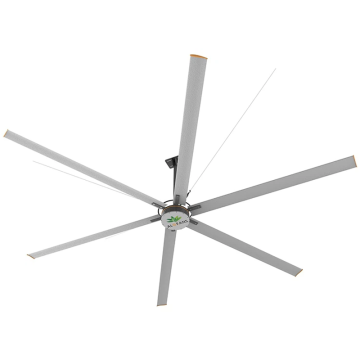
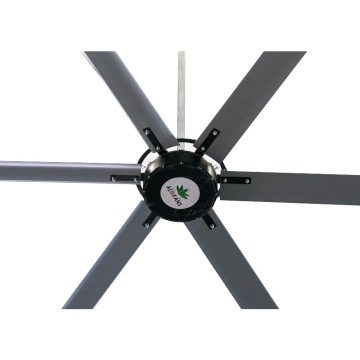
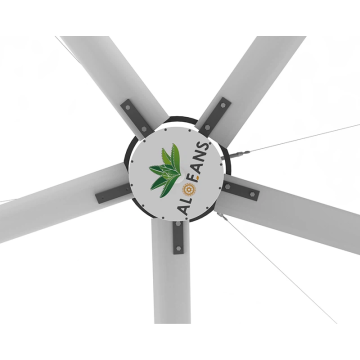
An in-depth analysis of climate control challenges, technological advancements, and strategic deployment of HVLS fans.
Modern transit terminals—ranging from bustling international airports and expansive train stations to regional bus depots—are architectural marvels characterized by soaring ceilings, massive glass facades, and continuous pedestrian traffic. While these design elements create visually stunning public spaces, they present severe challenges for traditional HVAC systems. Solar heat gain through glass structures, combined with the thermal footprint of thousands of travelers, leads to rapid heat accumulation. Furthermore, the constant opening and closing of entrance doors introduces outside air, rendering localized air conditioning highly inefficient and financially unsustainable.
Without proper air circulation, these terminals suffer from thermal stratification, where warm air rises to the ceiling and cool air stays trapped near the floor, or vice versa during heating cycles. This stratification leads to high energy consumption as HVAC systems work overtime to maintain set temperatures at the ground level. High-volume, low-speed (HVLS) commercial fans address this by gently destratifying the air, mixing the thermal layers to create a uniform temperature profile. This not only enhances passenger comfort but also significantly reduces the load on primary air conditioning and heating infrastructure.
In large public spaces, the perception of cooling is heavily influenced by the "chill factor" created by air movement. A gentle, continuous breeze of 2 to 3 miles per hour can make an occupant feel up to 8°F (4.5°C) cooler. HVLS fans achieve this effect over thousands of square feet without generating the disruptive noise or turbulent drafts associated with high-velocity pedestal or wall fans.
Shipping docks and cross-docking logistics warehouses represent a completely different set of environmental challenges. These facilities are characterized by large open bay doors, constant forklift activity, and direct exposure to outdoor weather conditions. During summer, shipping docks become extreme heat zones, posing serious health risks to workers loading and unloading metal shipping containers. Conversely, in winter, cold drafts sweep through open bays, making working conditions uncomfortable and reducing labor productivity.
Furthermore, humidity control is a critical issue at shipping docks. When warm, humid outdoor air enters a cooler warehouse, it condenses on concrete floors—a phenomenon known as Sweating Slab Syndrome (SSS). SSS creates highly hazardous, slippery conditions for both foot traffic and forklifts, and it can damage stored moisture-sensitive goods, packaging materials, and electronic components. By installing heavy-duty commercial HVLS ceiling fans directly above loading bays, facilities can maintain consistent air movement that dries floor moisture, prevents condensation, and stabilizes indoor temperatures.
To maximize the efficiency of commercial fans, it is vital to understand their specific placement and operational roles across different zones within transit and logistics facilities:
In cross-docking facilities, where goods are rapidly transferred from incoming to outgoing trucks, air stagnation is common. Installing PMSM-driven HVLS fans directly along the centerline of the loading dock creates a continuous wall of air movement. This air barrier helps repel external hot air (or cold drafts in winter) and ensures that workers inside the trailers receive adequate ventilation. The constant airflow also helps disperse diesel exhaust fumes generated by trucks backing into the bays, improving overall indoor air quality (IAQ).
In passenger concourses, aesthetics and acoustics are as important as performance. Terminal designers require fan solutions that blend seamlessly with modern interior architecture while operating in near-silence. Suzhou Liangzhi Electrical Technology's PMSM (Permanent Magnet Synchronous Motor) fans are ideal for these applications. The direct-drive motor eliminates gearboxes, reducing mechanical noise to a whisper (under 40 dB) while delivering massive air volume to keep waiting passengers comfortable during long layovers.
Aircraft hangars and train maintenance depots feature massive volumes of air and exceptionally high ceilings. Traditional heating and cooling are virtually impossible to implement cost-effectively in these spaces. HVLS fans installed in these zones serve a dual purpose: in summer, they provide cooling relief to technicians working on heavy machinery; in winter, they run in reverse to push warm air trapped at the ceiling back down to the work floor, reducing heating energy consumption by up to 30%.
The commercial fan industry is undergoing a major technological shift, driven by the demand for energy efficiency and smart building integration. The traditional geared motor, once the standard for industrial fans, is rapidly being replaced by Permanent Magnet Synchronous Motor (PMSM) technology. PMSM motors offer several distinct advantages:
Looking forward, the integration of commercial fans with Building Management Systems (BMS) via protocols like Modbus or BACnet is becoming standard. This allows terminal operators to control entire fleets of fans from a centralized dashboard, automatically adjusting speeds based on real-time temperature, humidity, and occupancy sensors. AI-driven algorithms can predict peak heating or cooling loads and pre-emptively adjust fan speeds to maintain optimal thermal comfort while minimizing energy consumption.
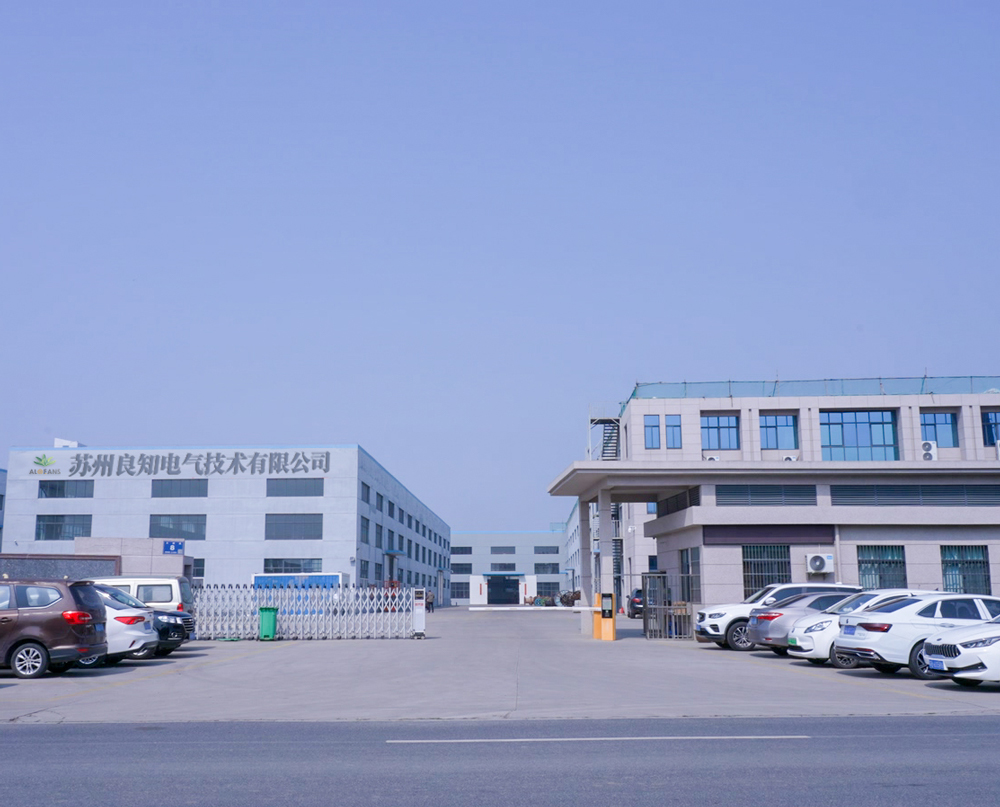
Suzhou Liangzhi Electrical Technology Co., Ltd. was established in March 2018, embarking on a mission to design and manufacture world-class PMSM motors and High-Volume, Low-Speed (HVLS) fans. With our independently developed permanent magnet motors and advanced control systems, we have accumulated over 6 years of deep industrial experience.
Through continuous upgrading, innovation, and rigorous testing, our core technology now leads the HVLS fan industry. Our company vision is to provide reliable, highly efficient, and affordable HVLS fans for every large commercial and industrial space worldwide, ensuring natural, healthy breezes for all.
Suzhou Liangzhi Electrical Technology Co., Ltd. is a certified high-tech enterprise dedicated to the R&D and manufacturing of permanent magnet synchronous motors and high-speed motors for HVLS fans and electric vehicles. Since 2018, we have established comprehensive technical research and development capabilities covering motor structure, fluid dynamics, thermal analysis, and electromagnetic technologies.
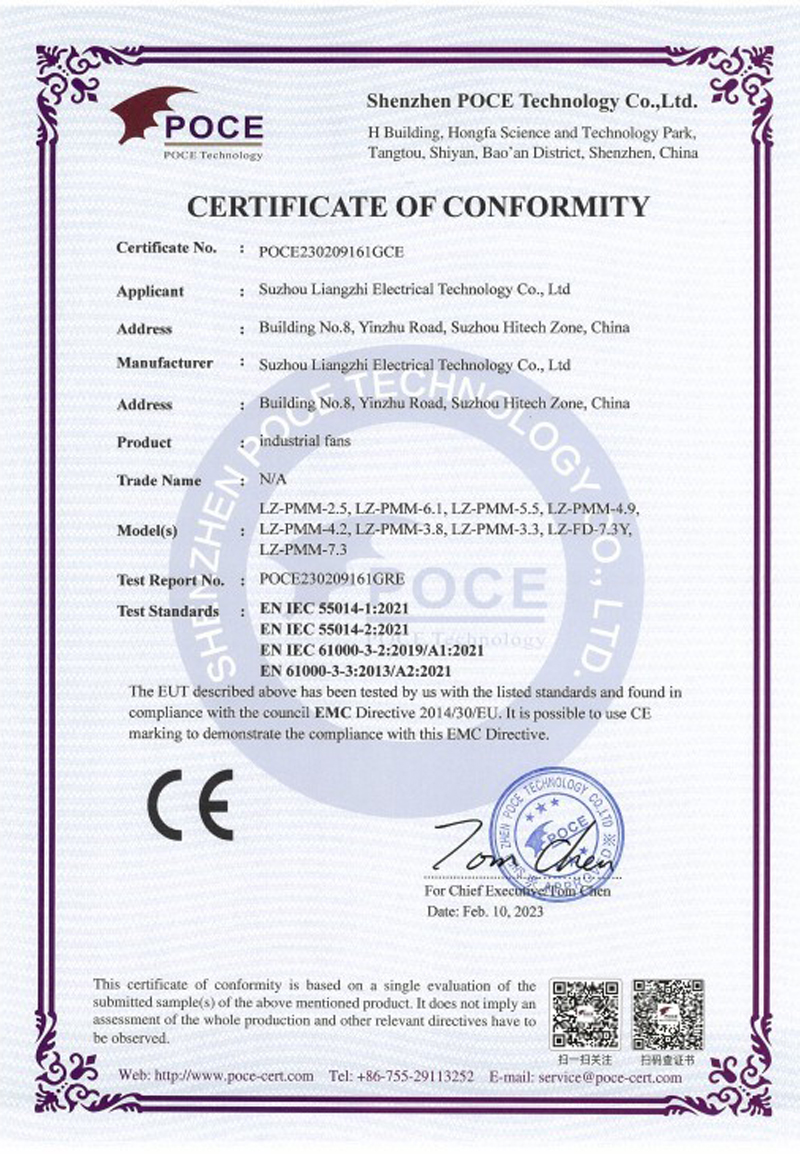
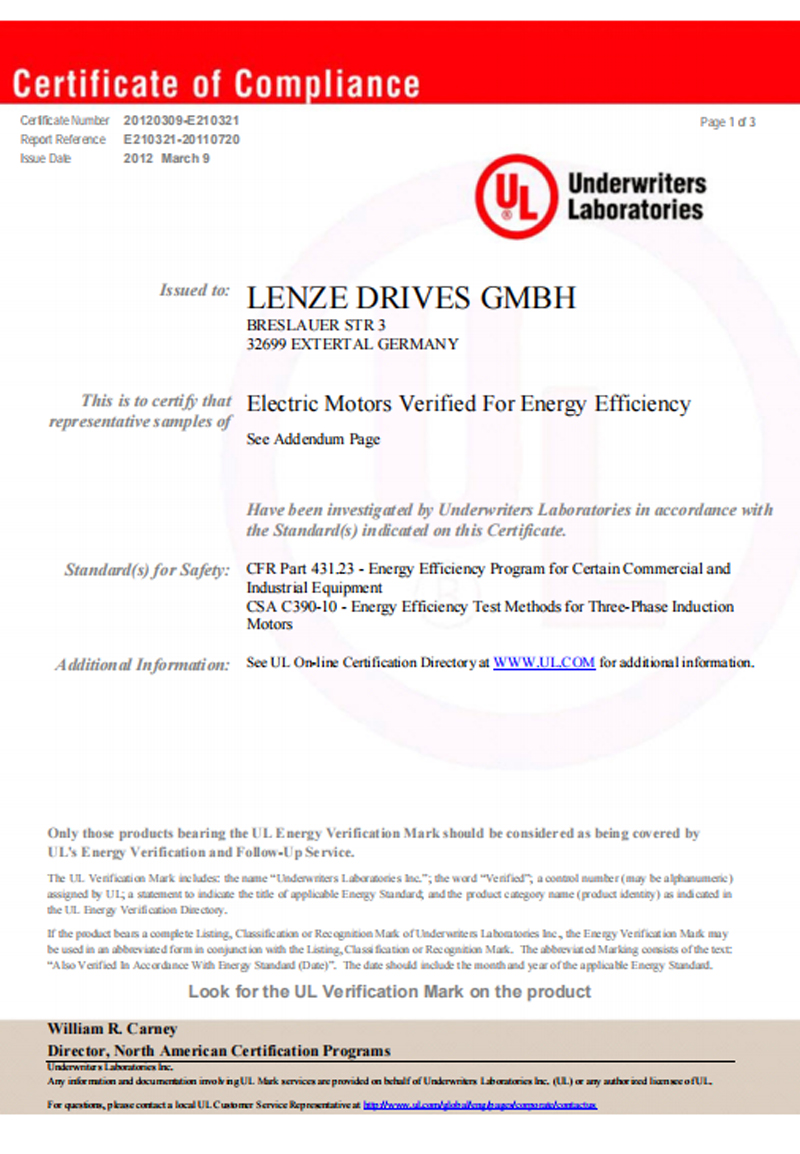
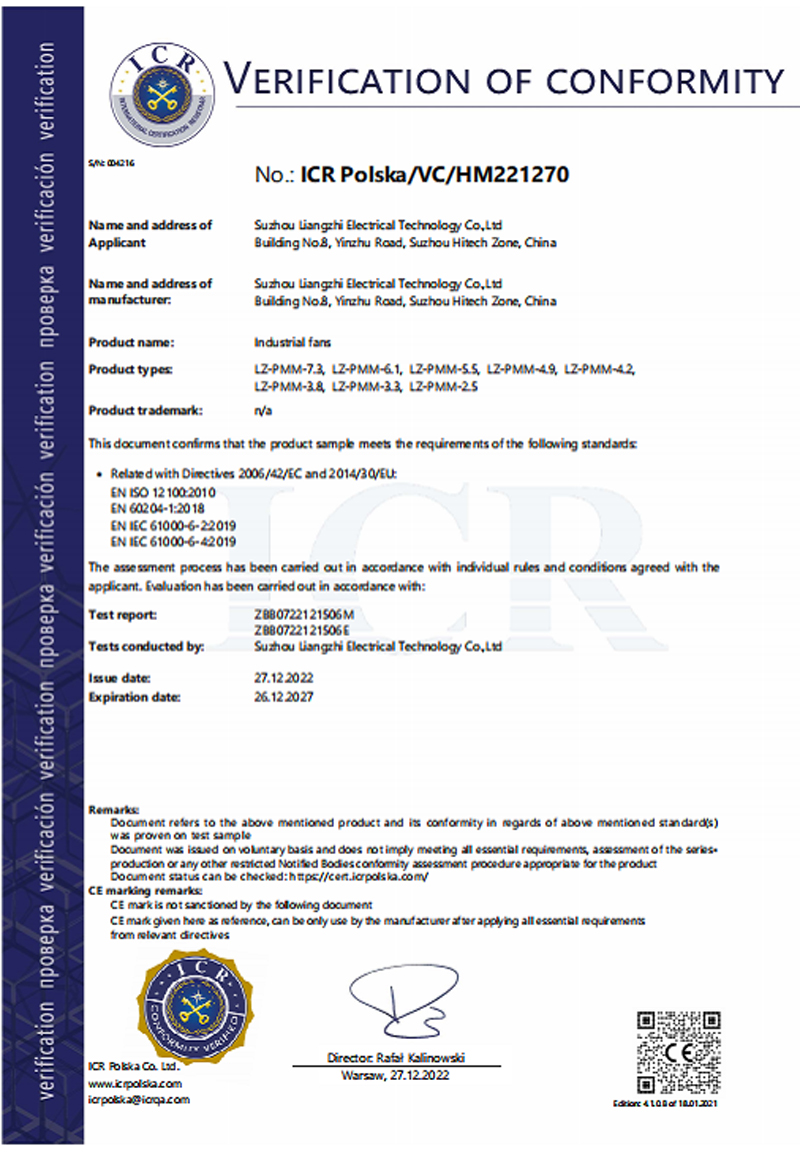
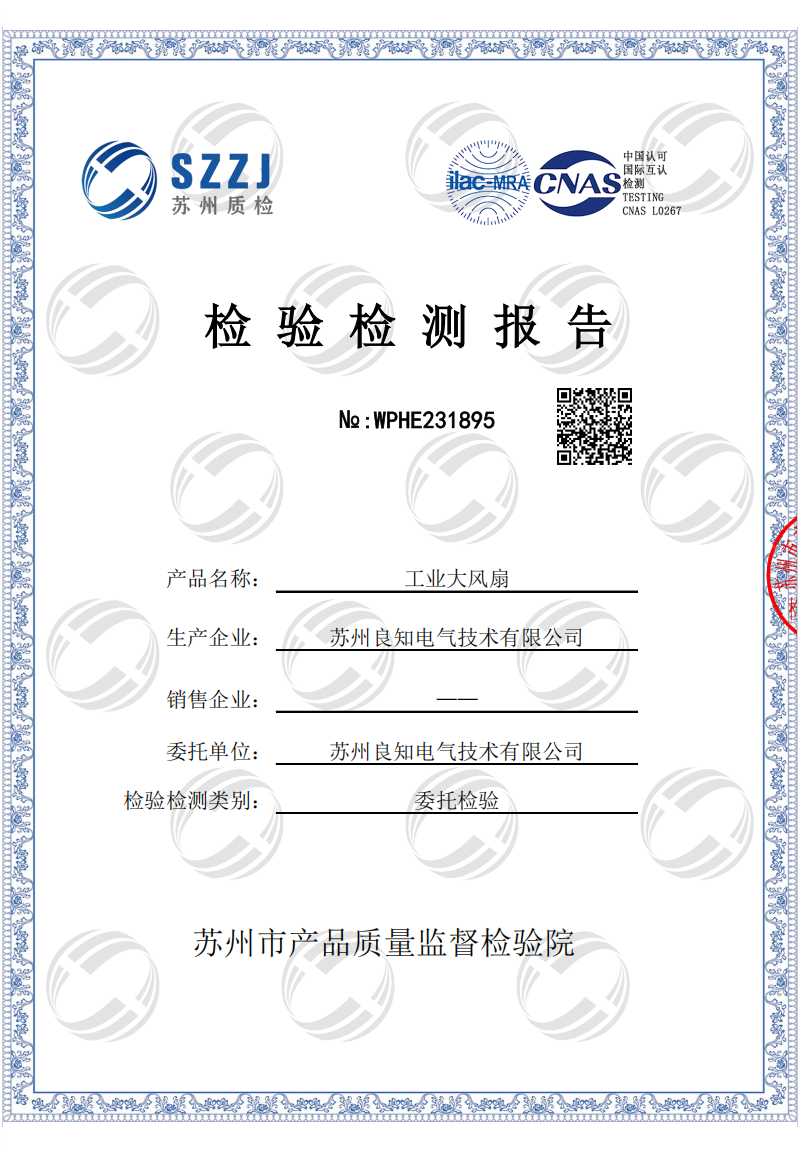
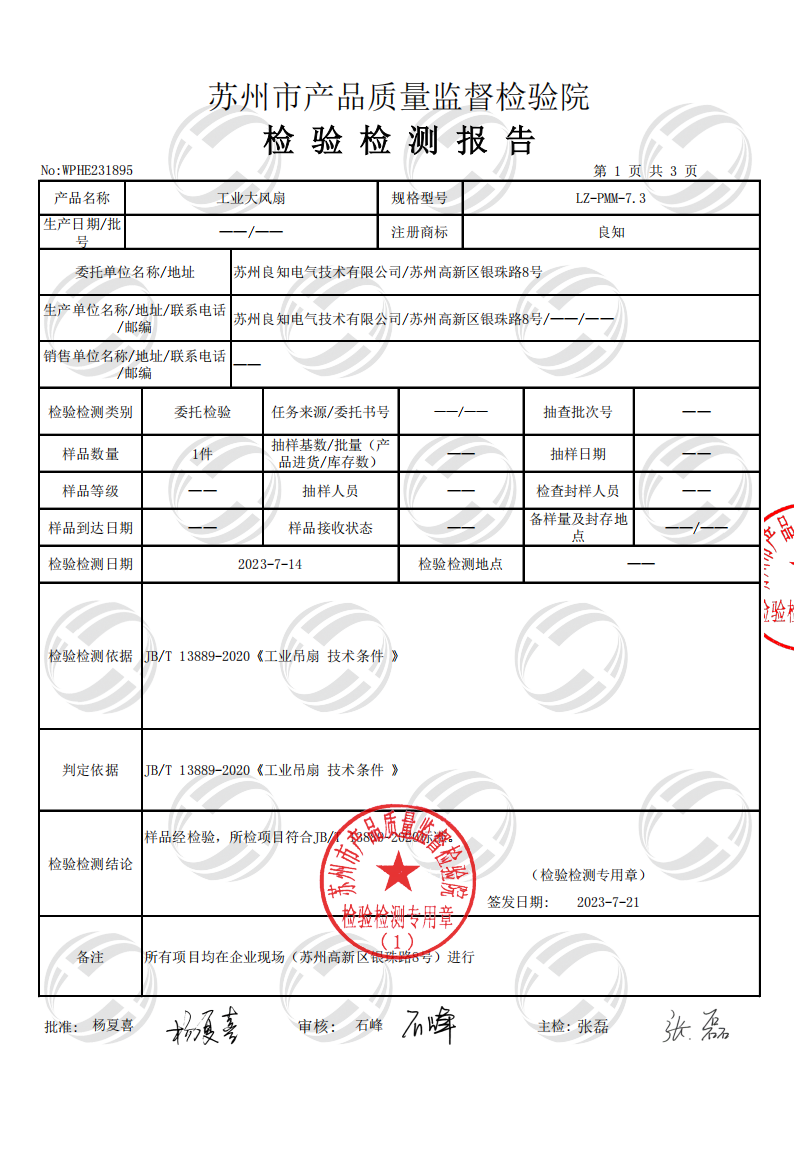
Our motor quality is recognized at the forefront of the industry, backed by international certifications including ISO9001, CE, EMC, and LVD. We ensure that every fan blade and motor assembly meets stringent safety standards before leaving our facility.
HVLS fans are the most ideal, energy-saving ventilation systems for high and open spaces. Powered by our proprietary high-performance PMSM motors, our fans deliver superior airflow with minimal energy consumption.
We master the core technology of PMSM motors, aerodynamic fan blade fluid design, multi-point safety measures, and intelligent control solutions, providing high-efficiency ventilation for warehouses, terminals, factories, and commercial spaces.
Aloe Fans is our premier brand, built around the philosophy of creating healthy, safe, and natural breezes. Certified by CE, EMC, and LVD, Aloe Fans represents reliability, safety, and expert thermal management.
Our commitment to safety, performance, and durability is validated by international testing and certification standards.
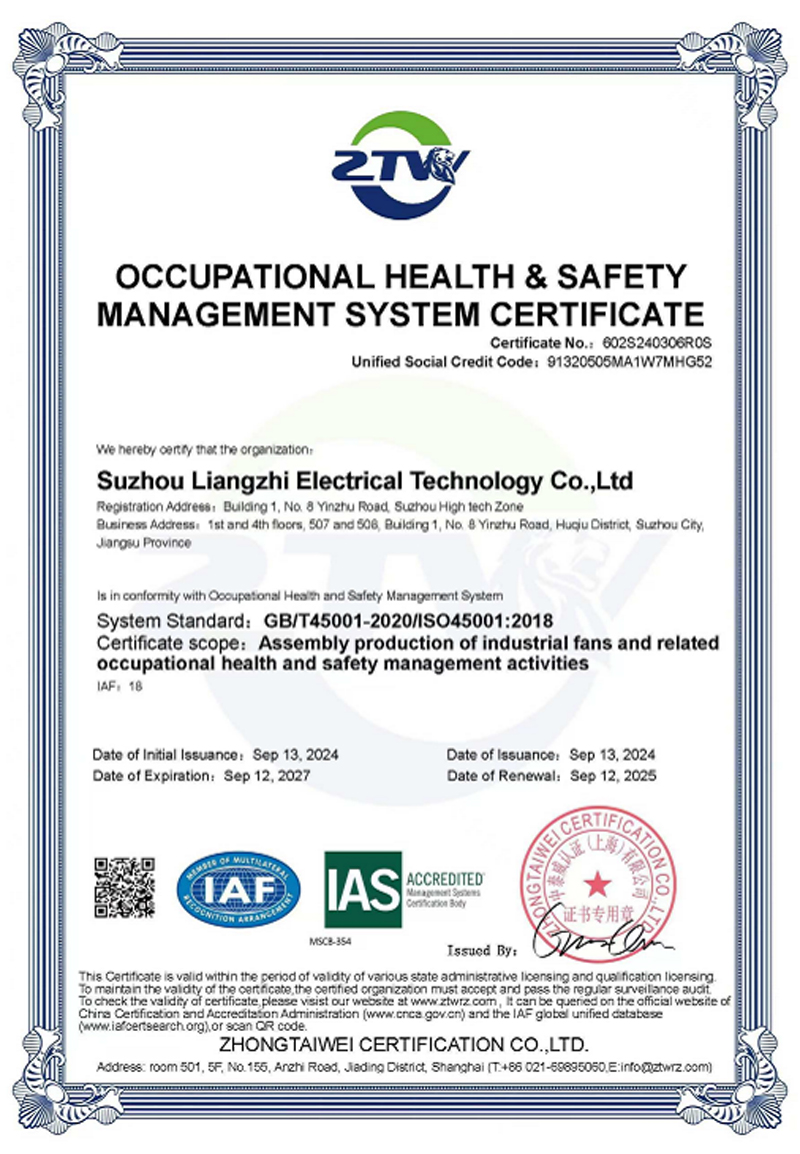
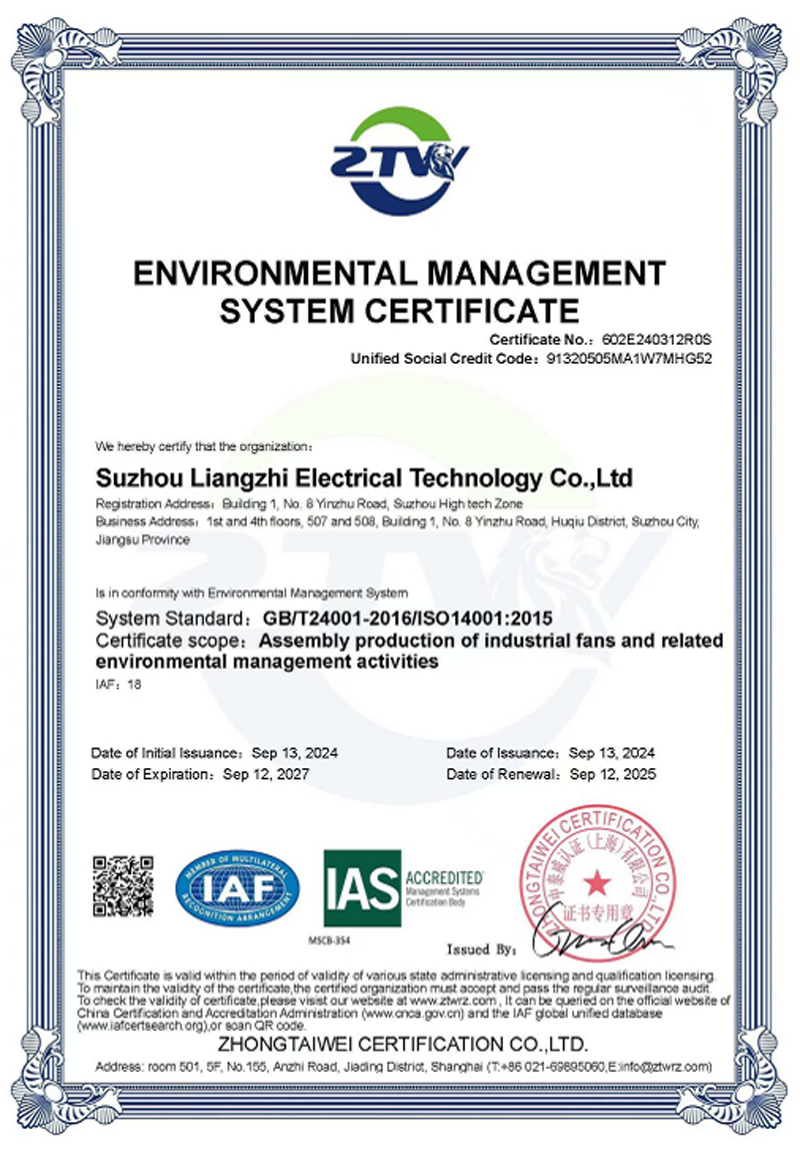
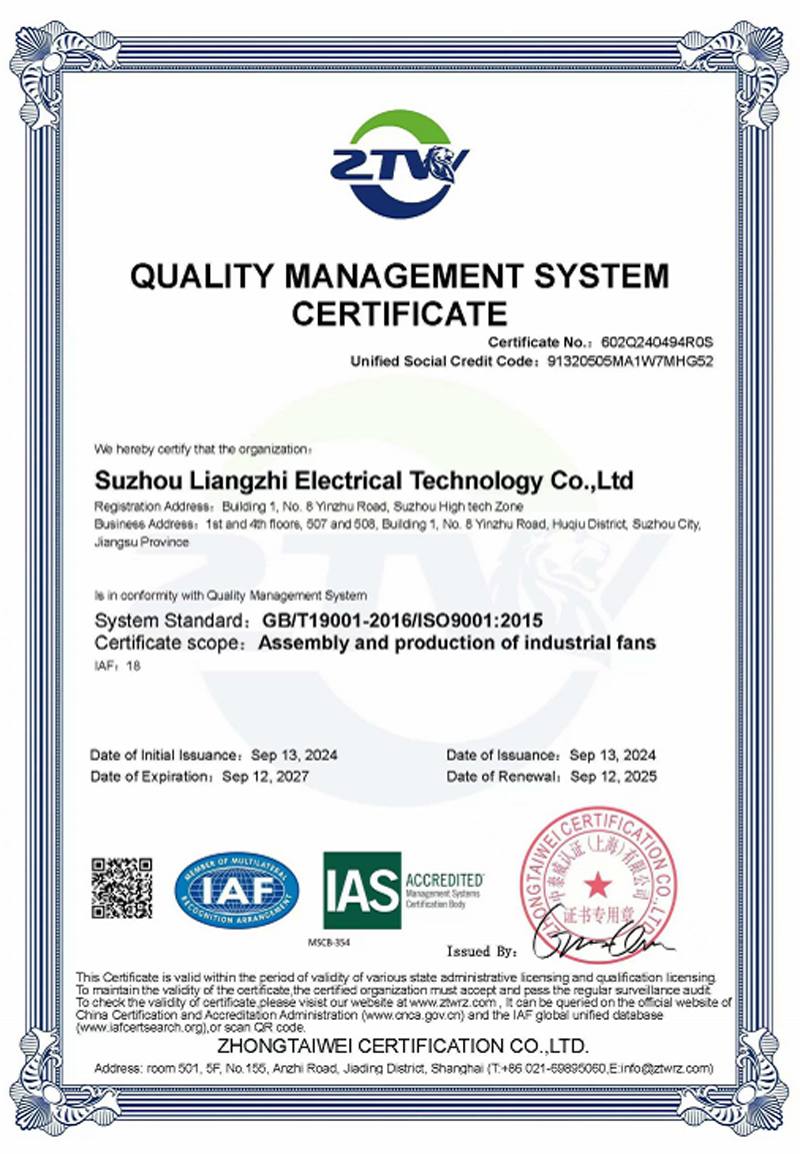
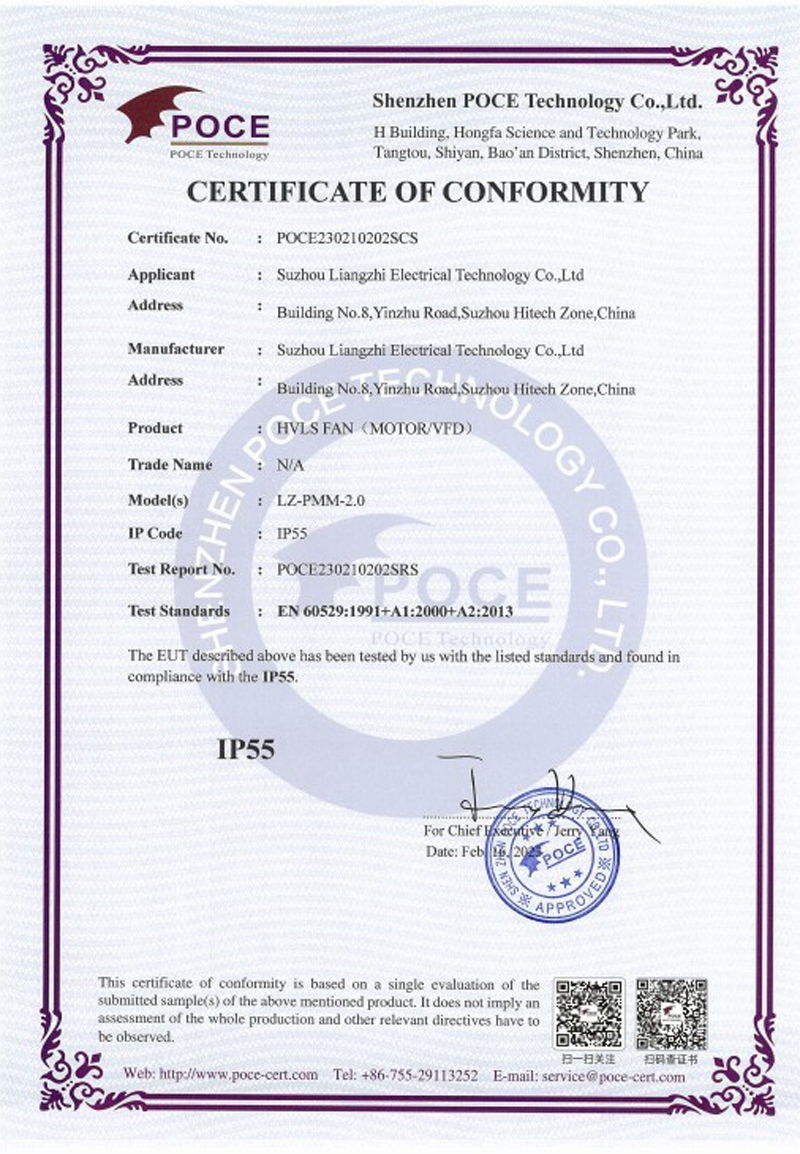
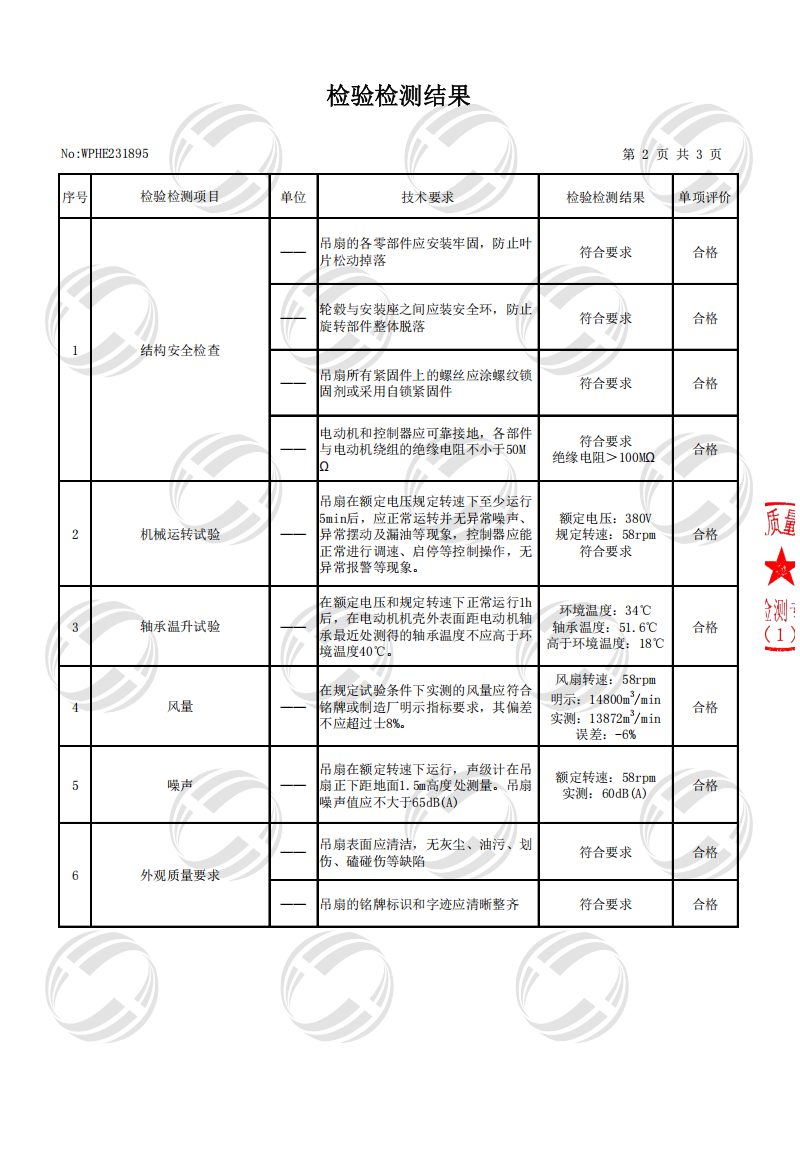
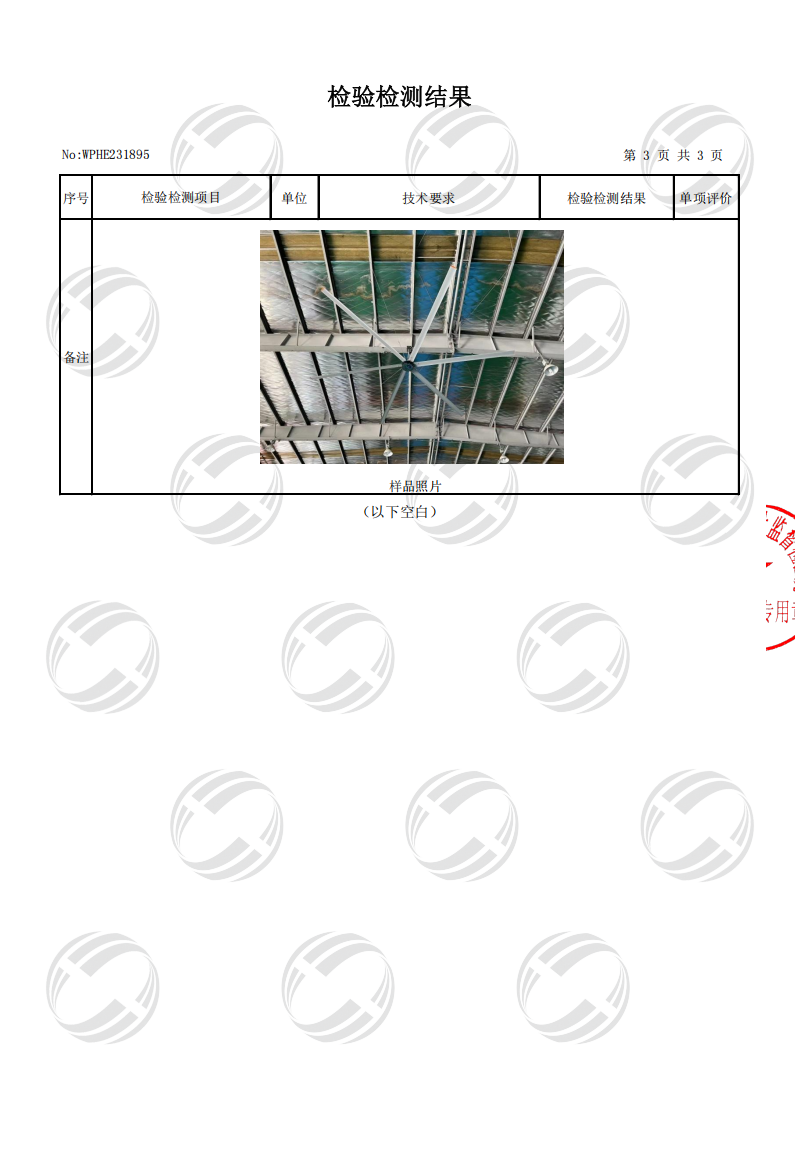
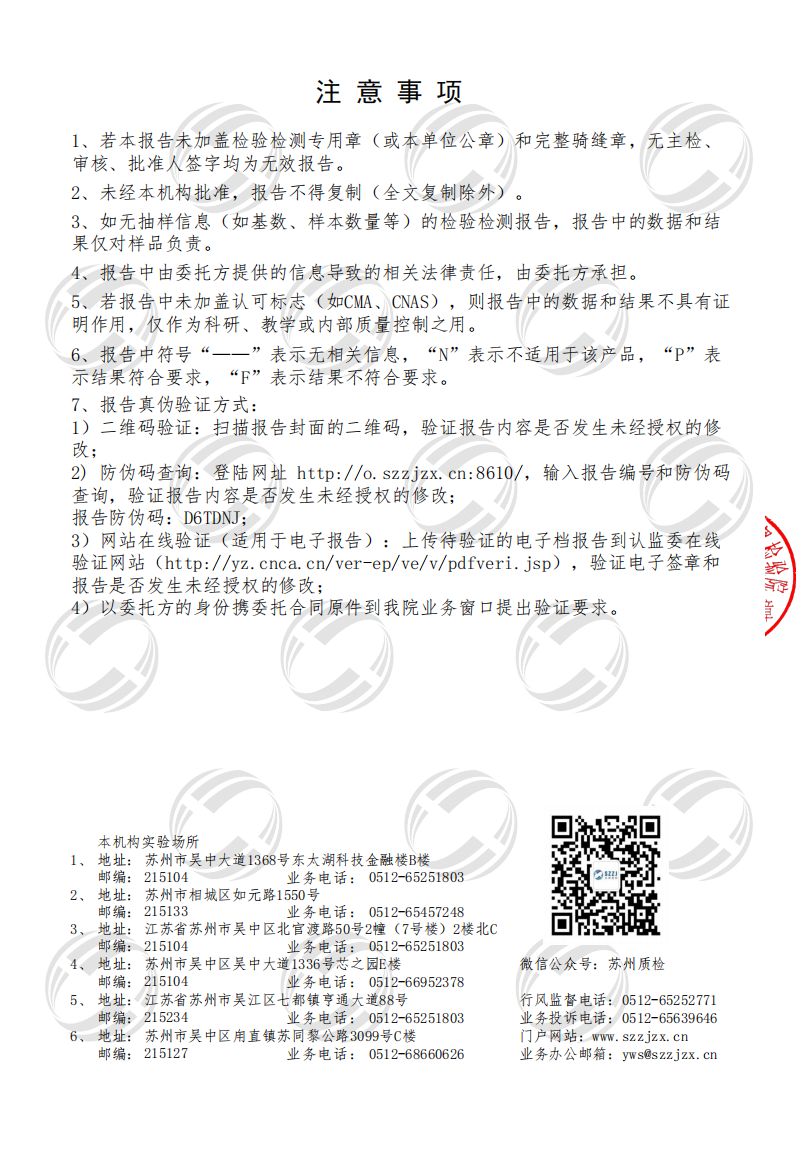
We provide full-lifecycle support, from initial facility airflow design to long-term maintenance and warranty services.


For inquiries about our commercial HVLS fans, technical specifications, or customized pricing lists, please contact us. Our team will get back to you within 24 hours.
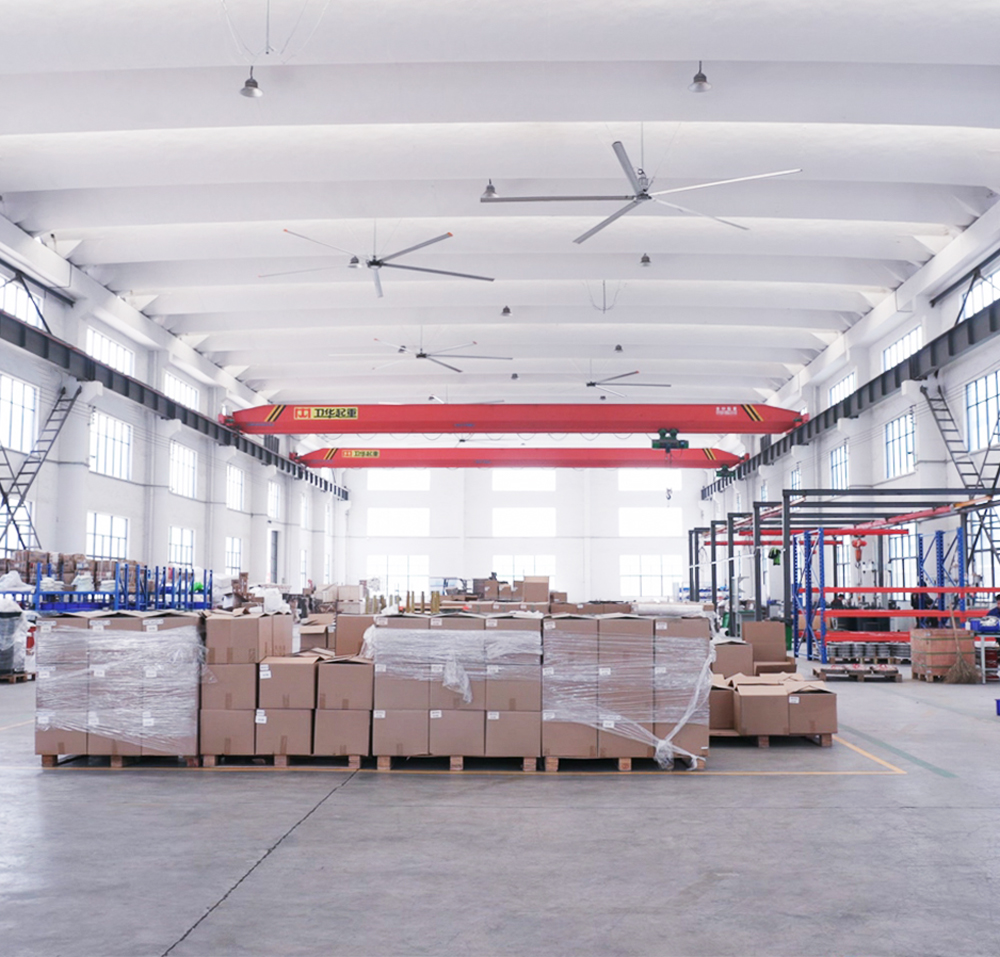
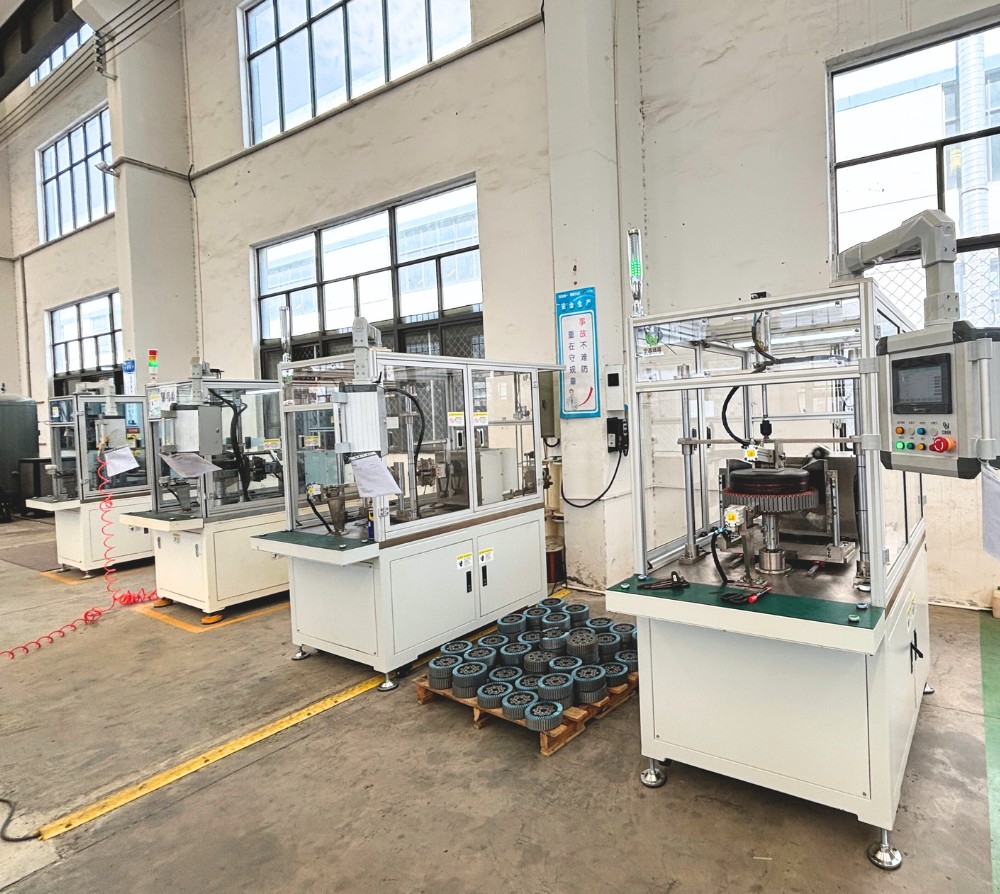
Send InquiryTake a virtual look inside our state-of-the-art manufacturing facility in Suzhou, China.
Browse our full range of commercial and industrial fans designed for gyms, restaurants, factories, and agricultural facilities.