
 +86-13636393801
Leave Your Message
- Contact Number
-
 Contact Email
Choosing a Commercial Extractor Fan can feel pretty overwhelming, especially for buyers around the world. There’s just so much out there with different performance standards! A recent report from MarketsandMarkets even mentions that the global market for extractor fans is set to hit a whopping $9.1 billion by 2025. Why? Well, it looks like folks are really keen on improving air quality and boosting energy efficiency, especially in industrial settings. But here's the catch: with all this variety, figuring out which products fit your specific needs can be a real headache. You know, from sifting through technical specs to checking out energy performance and maintenance stuff. That’s where we come in! At Suzhou Liangzhi Electrical Technology Co., Ltd., which kicked off in March 2018, we’ve got over six years of experience under our belts in making PMSM motors and HVLS fans. We're all about delivering reliable, high-performance Commercial Extractor Fans. Our dedication to innovation and quality helps our clients tackle these challenges head-on, so they can pick the right gear for maximum efficiency.
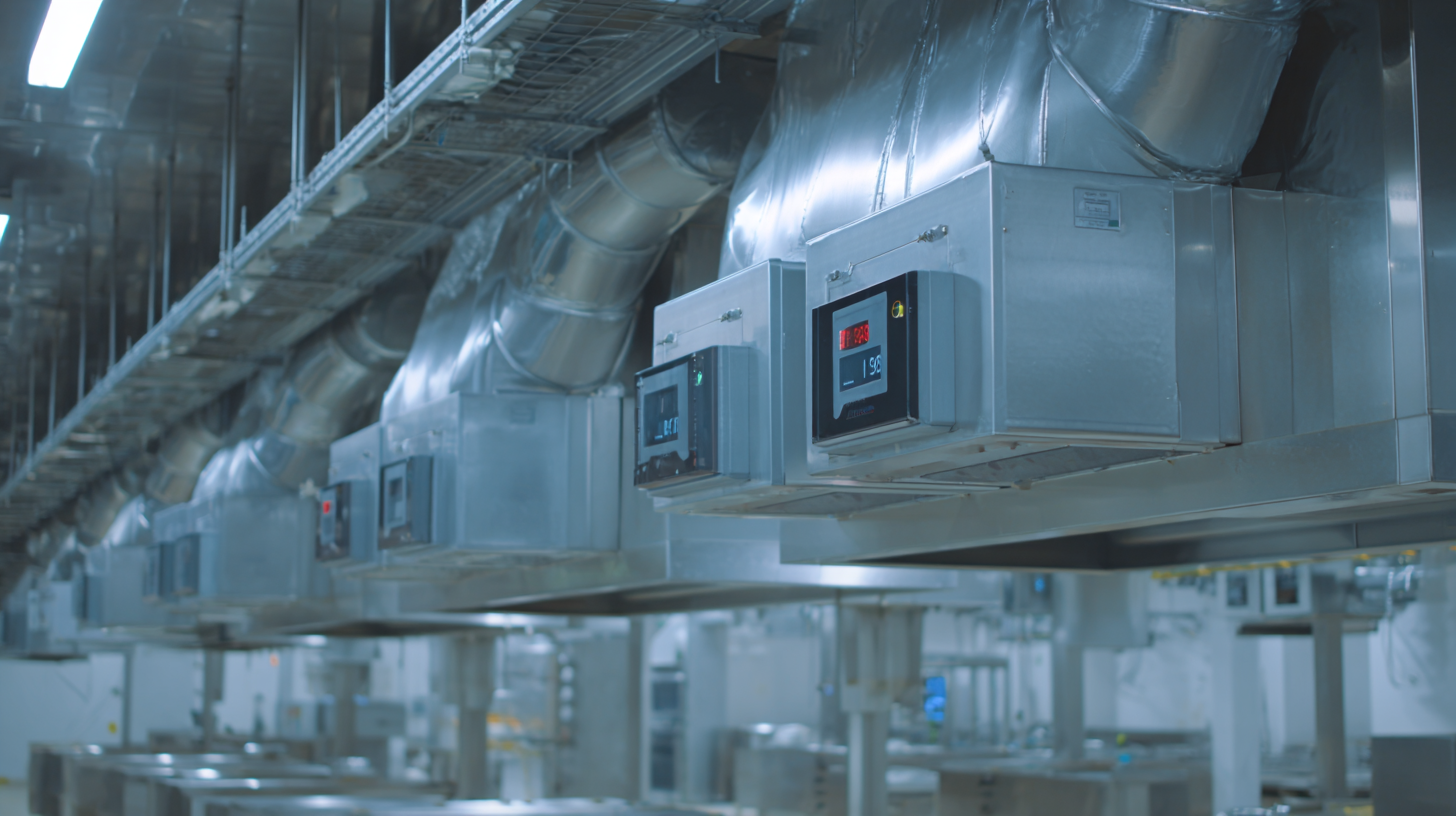
Choosing the right commercial extractor fans can be a bit of a headache for buyers around the globe, especially when it comes to figuring out airflow efficiency. You see, airflow efficiency is super important because it doesn’t just affect how well the air moves—it also plays a big role in how much energy you end up using. A report from the American Society of Heating, Refrigerating and Air-Conditioning Engineers (ASHRAE) mentioned that a well-designed ventilation system could boost efficiency by as much as 30%. That’s some serious savings over time! So, when buyers are on the hunt for fans, they really need to focus on those that not only provide great airflow but also cut down on wasted energy.
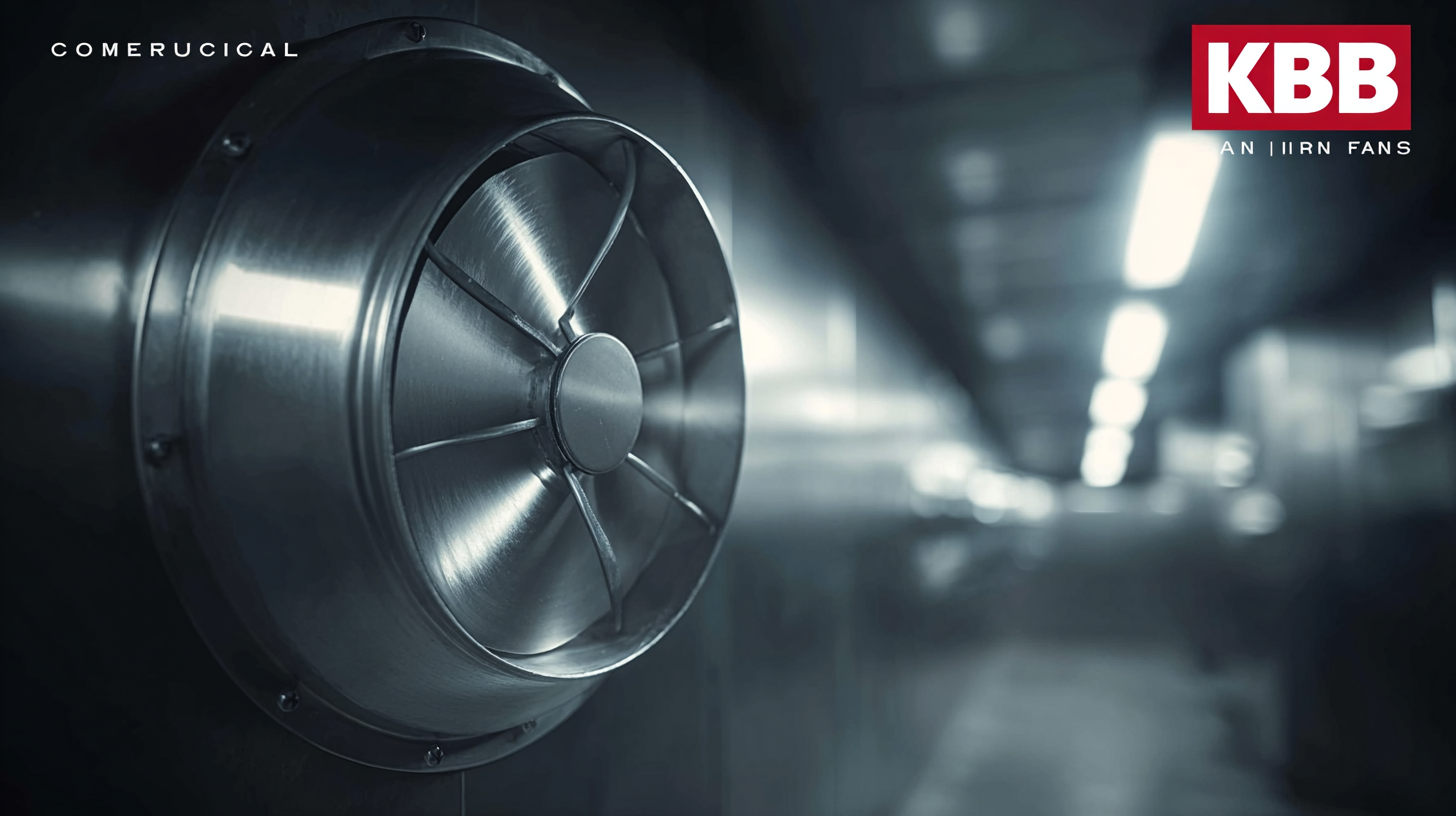
Here at Suzhou Liangzhi Electrical Technology Co., Ltd., we totally get how essential this efficiency is when it comes to our products. We kicked off our journey back in March 2018, and we’ve been specializing in PMSM motors and HVLS fans ever since. With over six years under our belt developing top-notch permanent magnet motors and controllers, we’re able to craft extractor fans that meet those strict efficiency standards. In fact, industry data shows that high-efficiency fans can lower energy costs by around 20-50% compared to the usual models. So, when you pick our products, you’re not just making a smart choice for your wallet—you’re also stepping up your game for better air quality and overall comfort in your commercial spaces.
: Airflow efficiency is crucial as it directly affects ventilation quality and energy consumption. A well-designed ventilation system can enhance efficiency by up to 30%, leading to significant cost savings.
Commercial extractor fans are categorized into different types, including axial fans, centrifugal fans, and mixed flow fans. Each type has specific applications suited to various ventilation needs.
High-efficiency extractor fans can reduce energy costs by approximately 20-50% compared to conventional models, ensuring sustainable operation and improved air quality in commercial spaces.
There is a noticeable shift towards more energy-efficient models driven by technological advancements and regulatory pressures, as manufacturers strive to exceed energy efficiency standards.
Modern extractor fans often include sensors that optimize performance based on real-time environmental conditions, which can lead to substantial energy savings by operating only when needed.
The North American HVAC system market is expected to grow from $51.61 billion in 2025 to $75.75 billion by 2032, with a CAGR of 5.6%.
Their extractor fans are designed to meet stringent efficiency standards and help enhance air quality while minimizing energy wastage, contributing to sustainable operations in commercial settings.
Recognizing the distinctions between different fan types can significantly impact the effectiveness and efficiency of ventilation systems in various commercial applications.
By choosing energy-efficient extractor fans, buyers can reduce operational costs and minimize their carbon footprint, supporting their economic and environmental objectives.
The global market for heat recovery ventilators is projected to expand from USD 5800 million in 2024, reflecting a CAGR of 5.2% through 2030.

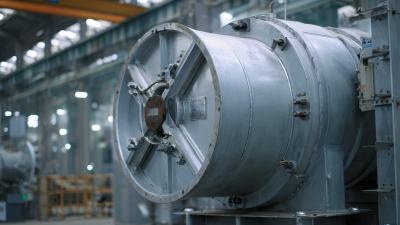
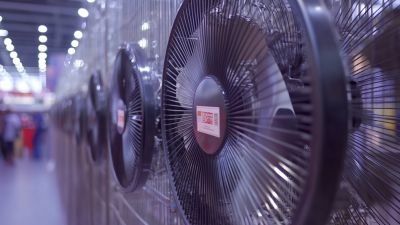
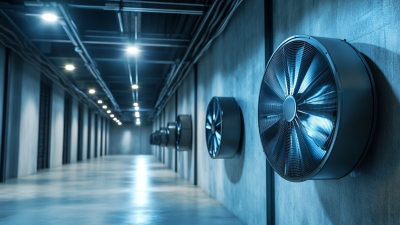


 You know, when it comes to picking out commercial extractor fans, one of the biggest hurdles buyers all over the globe run into is figuring out the noise levels while making sure they follow the right standards. Noise pollution is really becoming a big deal, especially in crowded neighborhoods where businesses are practically next door to people's homes. It’s a fine line to walk—they’ve got to keep an eye on all those regulations that specify how much noise is acceptable for ventilation systems. Nobody wants to ruffle feathers with complaints or end up facing legal issues, right?