 +86-13636393801
Leave Your Message
- Contact Number
-
 Contact Email
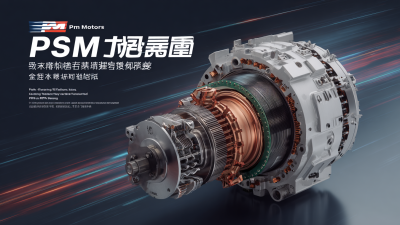
You know, in today's busy industrial and commercial spaces, having good air circulation really isn’t something to overlook. Heavy Duty Wall Fans are pretty much essentials—they help keep the environment comfortable, especially in big areas like warehouses, factories, or gyms. I came across some industry reports that predict the global ceiling fan market will hit around USD 5.52 billion by 2025. A big driver? The growing need for energy-efficient cooling options, no doubt. With over six years of experience under their belt, Suzhou Liangzhi Electrical Tech CO., Ltd. really knows their stuff—specializing in PMSM motors and HVLS fans. They're all about delivering high-quality products that fit the specific needs of different spaces. When you’re picking out a Heavy Duty Wall Fan, though, it’s important to think about things like how well it moves air, how tough it is, and how noisy it gets. These little details are pretty crucial if you wanna keep everyone comfortable—whether it's your employees or customers.
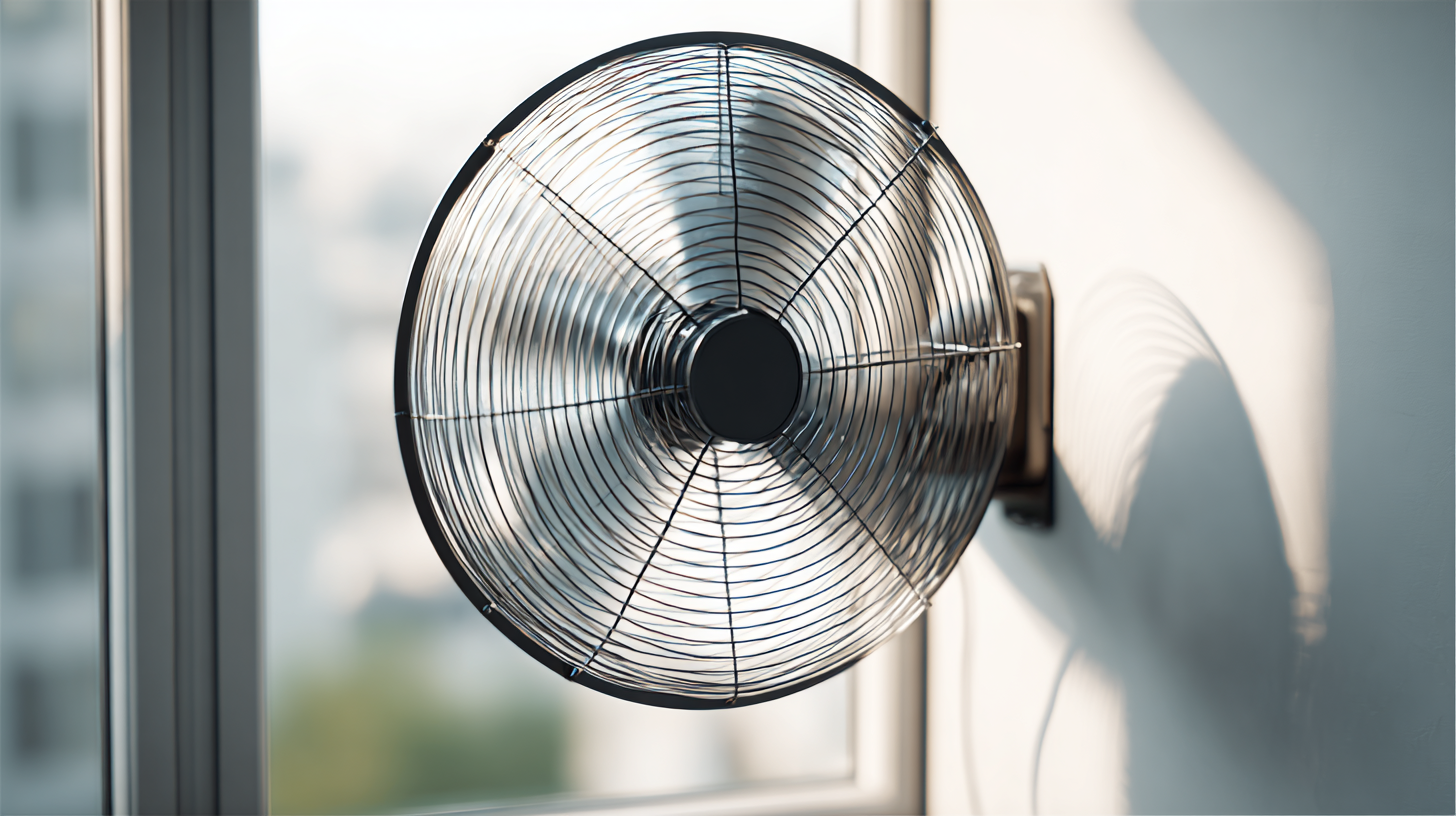
When you're picking out a heavy-duty wall fan, it’s really important to understand what you actually need to keep cool. So, the first thing I’d do is take a good look at the room where you plan to install it. Larger spaces usually need a fan with stronger airflow to get the job done right. Just grab a tape measure and jot down the length, width, and height—then do a quick calculation of the total volume. That way, you’ll have a better idea of what size and power of fan will work best to keep the air moving nicely throughout the room.
Next up, think about how much airflow you'll really need based on what the room is used for and how many people are usually in there. For instance, a garage or workshop might need way more powerful airflow because of hot tools or heavy-duty activity, compared to a cozy bedroom or office. It’s handy if you find a fan with adjustable speed settings—so you can crank it up or down depending on what you’re doing at the moment. Also, don’t forget to think about ceiling height and any vents or open windows—these can change how well the fan pushes the air around. By taking all of this into account, you’ll be able to pick a wall fan that actually fits your space and keeps you comfortable without any fuss.
Revitalizing your workout space requires more than just good equipment; optimal airflow is essential for a comfortable environment. Fitness Wall Fans emerge as a perfect solution, striking a balance between functionality and space efficiency. Designed with energy-saving technology, these fans deliver powerful airflow while significantly reducing energy consumption, making them an eco-friendly choice for any gym or fitness studio.
The wall-mount design not only frees up valuable floor space but also ensures that air circulates effectively throughout the entire area. Constructed from durable materials, these fans are built to withstand the rigors of a demanding gym environment, ensuring longevity and reliability. Additionally, their quiet operation allows users to focus on their workouts without being distracted by noise, creating a serene atmosphere conducive to exercise.
Installation is a breeze, with straightforward processes that require minimal maintenance, making these fans accessible for facilities of all sizes. With customizable options available in various sizes and styles, you can find the perfect match for your specific needs, whether in a gym, studio, or sports venue. Investing in fitness wall fans not only enhances comfort but also elevates the overall workout experience for everyone involved.
: The two main types are industrial fans and Commercial Fans. Industrial fans are designed for larger spaces with robust airflow and durability, while commercial fans are suited for businesses like gyms and restaurants, balancing performance with aesthetic appeal.
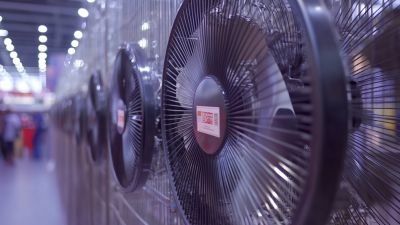
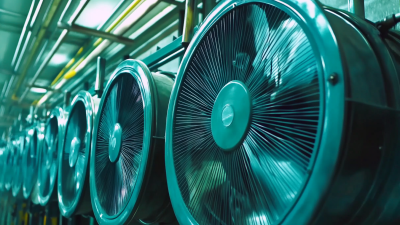
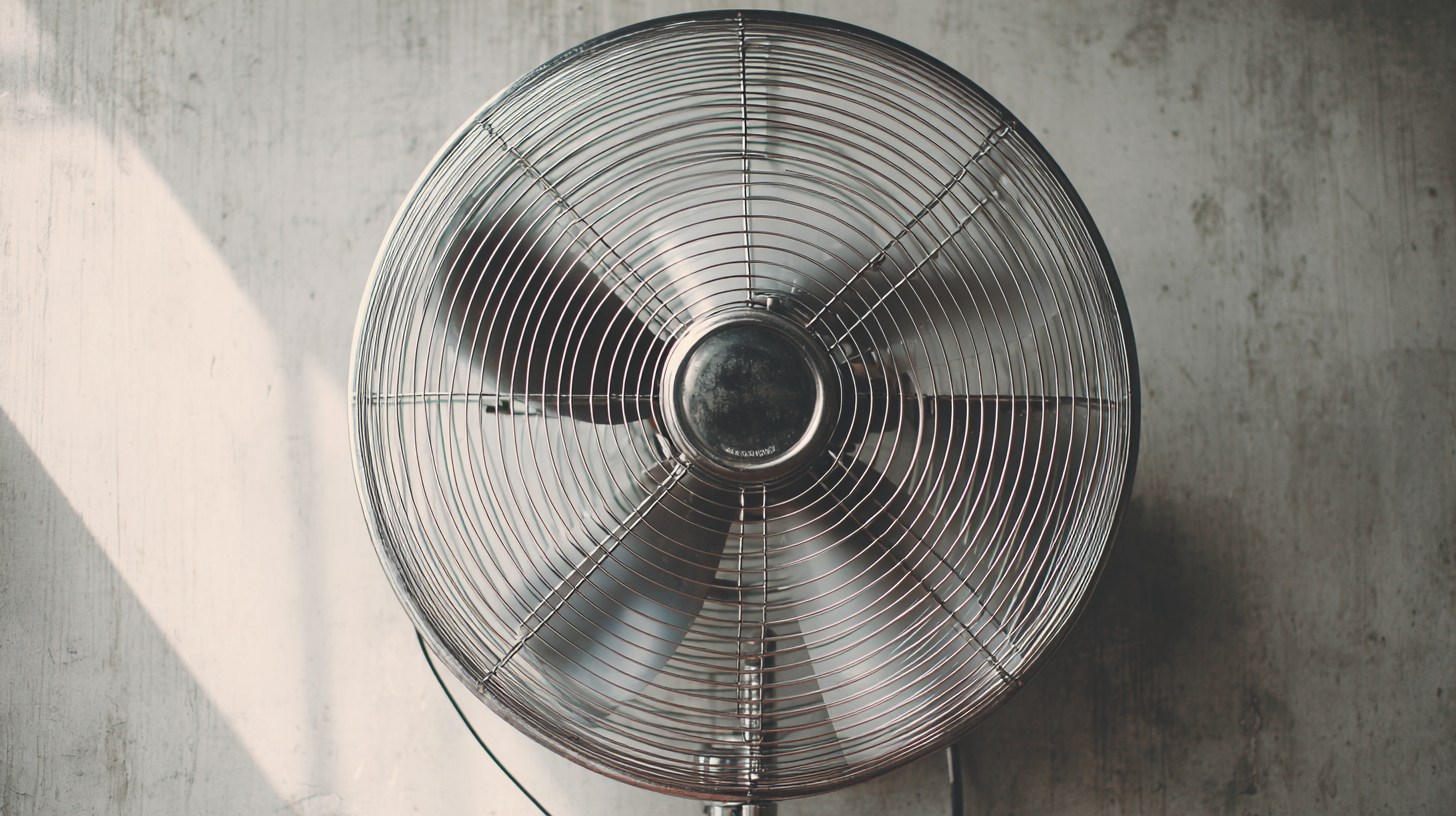
Industrial wall fans are typically used in larger spaces such as warehouses or factories, where maintaining airflow is crucial for comfort.
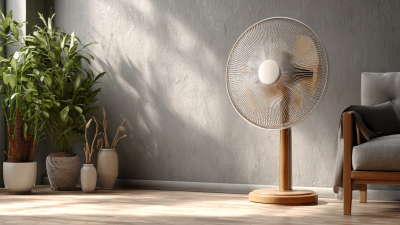
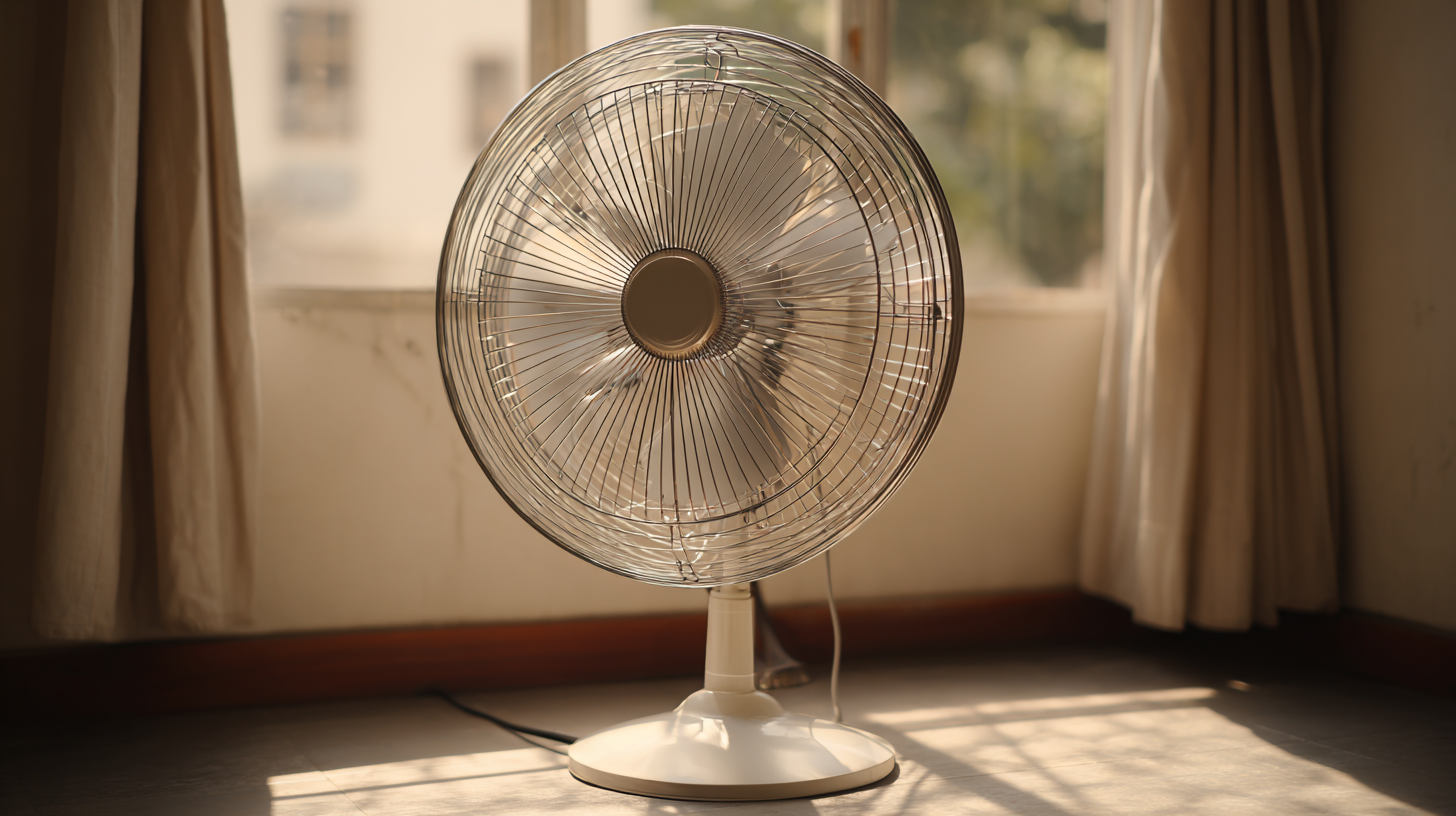
Commercial wall fans often feature quieter operation, sleek designs, and may include oscillation features to improve air circulation across a wider area.
Noise level is important because a fan that operates quietly creates a more comfortable environment, especially in places like offices or bedrooms where distractions can hinder productivity.
Look for fans with energy-saving settings, certifications like Energy Star, and variable speed options to adjust airflow based on your needs and reduce electricity costs.
It is recommended to aim for fans that operate at 50 dB or lower for a quieter experience.
A timer or programmable settings can help optimize noise levels and energy consumption based on your schedule, enhancing convenience and efficiency.
Heavy-duty wall fans benefit both industrial spaces requiring robust airflow and commercial settings needing performance combined with aesthetic design for customer comfort.
Yes, energy-efficient heavy-duty wall fans reduce electricity costs and lower overall environmental impact by consuming less power during operation.
While not essential for all, quiet operation is particularly important in environments like offices and bedrooms where disturbances can affect concentration and relaxation.
When you're trying to pick out the perfect heavy-duty wall fan for your space, it’s really important to start by figuring out what your cooling needs are. Think about the size of the room and how much airflow you actually require—that kinda helps narrow things down. There are different types of heavy-duty wall fans out there, each with their own features and perks, so it’s worth taking some time to explore your options. This way, you can find one that actually matches your specific setup. Things like the fan’s material and how tough it is really matter if you want something that lasts. And don’t forget about noise levels and energy efficiency—those are pretty key if you wanna keep your space comfortable without paying extra on your electric bill.
When it comes to installation, a few tips can really make a difference in making sure your fan works at its best. By the way, if you're on the lookout for a solid option, Suzhou Liangzhi Electrical Technology Co., Ltd. has over six years of experience making PMSM motors and HVLS fans, so they’re a pretty reliable choice for getting high-quality cooling solutions that fit your needs.