+86-13636393801
Leave Your Message
- Contact Number
-
 Contact Email
These days, with everything moving at lightning speed in the industrial world, keeping the air flowing nicely in warehouses is super important for both productivity and safety. That’s where Warehouse Wall Fans come in—they really help create a comfy work environment by cutting down on heat and improving ventilation. A recent report from MarketsandMarkets points out that the global market for Industrial Fans, like these wall-mounted ones, is projected to hit a whopping $3.2 billion by 2025, showing a steady growth rate of about 5.4%. This surge is mainly due to the growing need for energy-efficient cooling options and the booming sectors like logistics, manufacturing, and e-commerce.
At Suzhou Liangzhi Electrical Technology Co., Ltd., which we kicked off back in March 2018, we’ve got more than six years of know-how under our belts when it comes to making Permanent Magnet Synchronous Motors (PMSM) and High-Volume Low-Speed (HVLS) fans. Our fresh approach to building advanced motors and controllers has really set us apart in the Warehouse Wall Fans arena. As businesses look to boost their efficiency and create a better work vibe, knowing what features and benefits these fans offer is crucial. In this guide, we’ll take a deep dive into the key things to think about when choosing the right warehouse wall fans for your unique situation.

In industrial settings, keeping the air flowing is super important—not just for comfort but also for safety. Warehouse wall fans are a big deal for this, especially when temperatures start to rise. By placing these fans on the walls in a smart way, businesses can really get the air moving around, which helps keep both the team and the equipment nice and cool. This is crucial in places where heavy machinery is running and kicking out a lot of heat. Now, when you're looking to pick out the best wall fans for your warehouse, you’ll want to think about things like airflow capacity and how durable they are. You definitely want high-performance models that can handle the tough industrial environment; they’ll not only make things more comfortable but also boost productivity. I mean, I recently checked out some garage fans in that crazy heat, and the top models really showed off their ability to move air, which proves just how effective solid fans are in those sweltering conditions. Oh, and don’t forget about energy efficiency! Choosing fans that use less energy can save you quite a bit on those operational costs while still keeping the air circulating well. So, by focusing on these key factors when you’re making your choice, you can help ensure your warehouse stays a comfy place to work, which in turn enhances your overall efficiency.
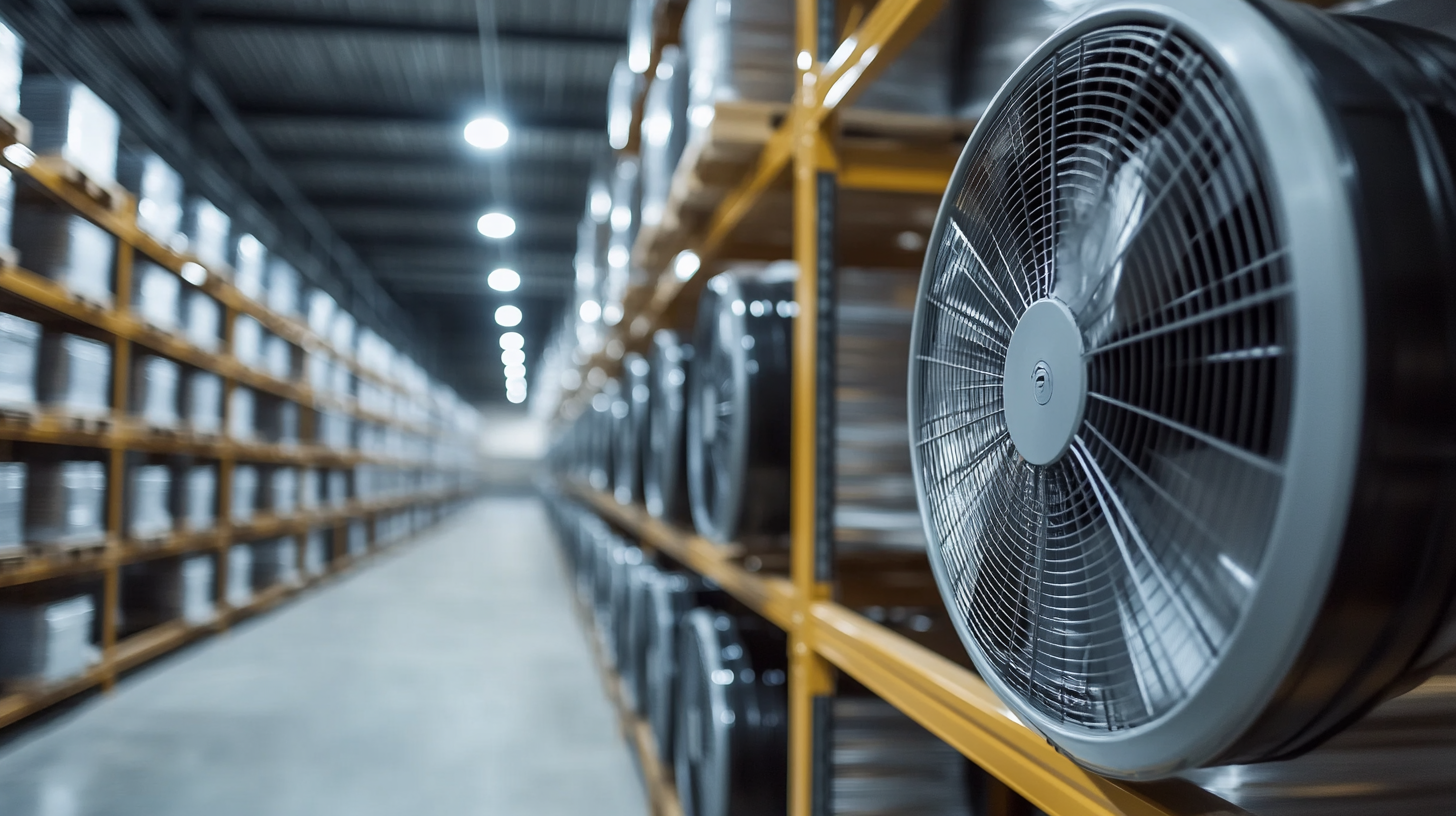
Choosing the right wall fans for your warehouse? It's totally a big deal if you want to keep things cool and comfy. First things first, think about how powerful the fan is. Industry reports show that good wall fans can move air around, even in those huge spaces, which really helps bring down temperatures—super important when you're dealing with humid weather. Take oscillating fans, for example; they can throw air in different directions, so they're perfect for those bigger areas where heat just loves to hang out.
Then you’ve got to consider the build and design of the fan itself. You really want one that's tough enough to deal with what goes on in a warehouse, right? Wall-mounted fans should be made of sturdy materials. And if they’ve got adjustable speeds, even better! That way, you can tweak how much airflow you need depending on the situation. Oh, and let’s not forget about how noisy they are—quiet fans are a game changer because they keep distractions to a minimum, letting your team focus and get stuff done.
Plus, nowadays, many wall fans come packed with cool features like remote controls and timers, which is super handy. You can set them to run only during those peak hours, which might even help save on energy bills. After testing a bunch over the last couple of years, it’s clear that fans that mix strong air movement with smart features like remote control and energy-efficient modes really stand out—these are definitely hitting the sweet spot for pros in the field.

So, when you're picking out warehouse wall fans, it’s super important to get a good handle on the different types and what each one does. There’s quite a variety out there, and each style has its own special touch based on what you need. Take oscillating wall fans, for instance – they're pretty much a must-have for bigger spaces. They move air around really well, making sure everyone, including your materials, stays cool and comfy. This is especially true in places like manufacturing or assembly, where heat can mess with both productivity and the quality of your products.
Now, if you're dealing with smaller spots, high-velocity wall fans are the way to go. These bad boys blast out air with some serious power, which is perfect for cooling tight spaces or areas near machines that really crank up the heat. You’ll often find these fans in places where heavy equipment is running or at loading docks – anywhere you need to keep the environment stable for safety and comfort.
Plus, some of these warehouse wall fans have cool features like adjustable speeds and programmable timers, which really ups their game in terms of ease of use. If you can tweak the air circulation depending on the time of day or how busy you are, you can save a pretty penny on energy costs, too. As warehouses keep changing and evolving, finding the right wall fan isn’t just about staying cool – it’s all about creating a vibe that boosts productivity and adapts to whatever your space needs at the moment.

When you're picking out wall fans for your warehouse, it's super important to take a good look at the size and layout of the space to really amp up airflow and efficiency. So, first things first, grab your tape measure and check out the total area of the warehouse. If you've got a big space, you might need several fans to keep the air circulating evenly, but if it’s on the smaller side, a well-placed single unit might do the trick just fine. Oh, and don't forget about your ceiling height! Hanging those fans up high can really help push the air around, especially up where the heat likes to hang out.
Next up, take a moment to walk around and assess the layout of the warehouse. Watch out for any stuff like storage racks or machinery that could block the airflow. You wanna put your fans in spots where air can move around easily—nobody likes a stagnant zone, right? Also, keep the direction of the winds and any natural ventilation points in mind. If you can line up your fans with these elements, you'll definitely boost airflow and create a more comfortable place for everyone to work, which can lead to happier, more productive, and safer employees.
When you're picking out warehouse wall fans, energy efficiency really should be at the top of your list. The right fan can save you a ton on energy costs while still keeping things comfy in those big spaces. So, definitely keep an eye out for fans with high-efficiency motors—they’re designed to crank out more airflow without guzzling too much electricity. That’s especially handy in large warehouses where good ventilation is super important.
Another thing you'll want to think about is the fan's airflow rating, which is usually measured in cubic feet per minute (CFM). The higher the CFM, the more air the fan can move, and trust me, that matters a lot in a warehouse. Nobody likes stagnant air, right? It can make things pretty uncomfortable and might even drag down productivity. Also, checking out the fan's energy efficiency ratio (EER) can tell you a lot about how well it'll perform. A higher EER means the fan is better at being energy efficient, so you can choose one that cools effectively without wasting too much power.
And don’t forget to consider the fan's operational features! Things like variable speed settings and timers can really come in handy. A fan that lets you adjust the speed can help you save energy as the warehouse conditions change throughout the day. Plus, having a timer means the fan will only run when you actually need it, which is another sweet way to cut down on energy usage. By keeping these energy efficiency tips in mind, you can find wall fans that not only keep things cool but also help create a more eco-friendly and budget-friendly warehouse.
So, when you're picking out warehouse wall fans, there's this really important thing that often slips under the radar: the noise levels. You know, having a productive workspace is about more than just good airflow; it’s also about keeping the background noise at a comfy level. When employees aren’t drowning in distractions and can focus a bit better, they tend to be happier and more productive overall. It’s a win-win!
Most industrial fans these days come with various speed settings, which can totally affect how noisy they are. Sure, cranking up the speed means you get a strong breeze, but it can also turn into a noisy mess that drives everyone batty. That’s why it’s super important to check out both the noise ratings and how much air they actually move. You want a fan that strikes a good balance—enough cooling power to beat the heat but not so loud that it disrupts the whole crew.
And let’s not forget about the fan’s design and materials. Fans made with better materials often vibrate less, which means they’re quieter in operation. Plus, thanks to some cool advances in technology, many new fan models come with special sound-dampening features. By choosing low-noise options, warehouse managers can really boost the vibe of the workplace, making it a more pleasant place to be. Finding that sweet spot between solid cooling and reasonable noise levels is key to creating a truly productive warehouse space.
When it comes to making warehouse wall fans work their best, getting the installation right is key. You know, the U.S. Department of Energy actually says that if you place these fans just right, they can boost air circulation by up to 80%! Imagine that – it not only makes things way more comfortable but also helps lower energy costs. So, it’s super important to think about where you put the fans and how you angle them to really get the most out of their performance.
First up, you’ve gotta hang wall fans at a sweet spot – usually around 8 to 12 feet off the ground. That’s the magic height for spreading air without getting in the way of what’s happening in the warehouse. Oh, and angling those fans a bit downward? Total game changer. It helps keep the air flowing throughout the entire space, which can really cut down on those annoying hot and cold spots. There’s research out there showing that good airflow can actually boost how productive employees are since they won't feel as drained working in a comfy space.
And hey, don’t underestimate the power of using multiple fans in a warehouse. A recent report from the American Society of Heating, Refrigerating and Air-Conditioning Engineers (ASHRAE) found that combining wall-mounted fans with ceiling fans can actually make it feel cooler by up to 5°F! That's awesome for those hotter months. Plus, if you hook these fans up to a central control system, you can tweak them in real-time depending on how many people are in the warehouse and what’s going on.
All these little things add up to not only make the workspace more comfortable for everyone but also help save on energy and keep operations running smoothly. It's definitely worth the effort to get it right!
Keeping your warehouse wall fans in tip-top shape is super important if you want them to last and work efficiently. Regular maintenance is like a game changer—it not only helps you avoid those surprise breakdowns but also makes sure they use energy wisely, which can really cut down costs. Did you know that according to a report from the U.S. Department of Energy, if you take good care of your industrial fans, you could boost their energy efficiency by up to 15%? That just goes to show how routine inspections and prompt repairs can really help extend the life of your gear.
When it comes to maintenance, don’t overlook the little things, like cleaning the fan blades and keeping an eye out for dust. Trust me, dust buildup can totally mess with airflow and make the motor work harder than it needs to, which might just lead to it giving up sooner than you’d like. And let’s not forget about lubricating those moving parts every few months; it’s a simple way to reduce wear and tear and help your fans last longer. There’s even a study by the American Society of Mechanical Engineers suggesting that poor maintenance can cost the U.S. industrial sector up to $50 billion every year in downtime—that’s a serious hit!
On top of that, the kind of wall fans you choose can really impact how long your system lasts, too. Going for designs that use durable materials, like those from the Pianeta Verde collection, can give you better performance while still looking good. As more warehouses are trying to blend natural elements into their design, there are a ton of innovative options out there that combine style with functionality. This way, you can keep your operations running smoothly without sacrificing on how things look. Taking a thoughtful approach to both maintenance and design can definitely lead to a more sustainable and efficient operation in your warehouse.
Warehouse wall fans are crucial for maintaining proper air circulation, ensuring comfort and safety, especially during hot weather, by effectively moving air throughout the space.
Important factors include airflow capacity, durability, energy efficiency, and operational features such as variable speed settings and timers.
Investing in energy-efficient fans can lead to significant savings on operational costs while still providing effective air circulation, making them ideal for large warehouse environments.
Airflow rating, typically measured in cubic feet per minute (CFM), indicates how much air a fan can move. Higher CFM ratings are important for ensuring sufficient ventilation in warehouses to prevent discomfort and decreased productivity.
Noise levels impact employee focus and stress levels; maintaining an optimal background noise can enhance productivity and overall job satisfaction.
It's important to evaluate noise ratings alongside airflow capacity, looking for fans that balance powerful airflow with manageable noise levels to create a conducive work environment.
Fans made from quality materials generally produce less vibration, thus contributing to quieter operation. Modern technology also provides advanced sound-dampening features in many fan models.
Variable speed settings allow for optimization of energy use based on varying warehouse conditions, contributing to energy savings and enhanced cooling effectiveness.
A higher EER indicates better energy efficiency, allowing for the selection of models that provide optimal cooling without excessive energy consumption.
Strategic placement of wall fans facilitates effective air movement throughout the warehouse, ensuring employees and equipment remain cool, particularly in areas with large machinery that generates considerable heat.