+86-13636393801 


As we gear up for 2025, we're really going to see some exciting changes in the world of industrial ceiling fans. This shift is all thanks to new tech and a growing focus on energy efficiency. In fact, the global market for these fans is on track to hit about $1.2 billion by 2025, with an expected growth rate of around 5.5% annually from 2020 through 2025, according to various industry reports. Companies like Suzhou Liangzhi Electrical Technology Co., Ltd., which got its start back in 2018, are leading the charge. They're all about developing Permanent Magnet Synchronous Motors (PMSM) and High-Volume, Low-Speed (HVLS) fans. With over six years of industry experience under their belt, Suzhou Liangzhi is making waves with their innovative motor and controller tech, which is super important for boosting the performance and energy efficiency of these fans. This guide will dig into the new technologies and perks of industrial ceiling fans, showing how these advancements can really ramp up productivity and sustainability in industrial settings.
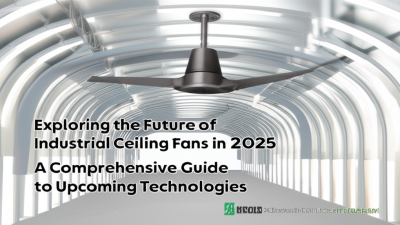
You know, the world of industrial ceiling fans is really changing fast these days! With 2025 around the corner, there are some big trends just waiting to shape how these things develop. First off, we’re seeing smart technology making its way in, which is pretty cool. Imagine being able to control your fans right from your phone or even with your voice! This is really tapping into the need for automation in industrial spaces, helping folks tweak fan speeds and settings without having to get up. It’s all about using energy wisely and running things more efficiently.
Then there’s this big push towards sustainability and energy efficiency. As people become more aware of environmental issues, manufacturers are stepping up by creating fans that cut down on energy use while using eco-friendly materials. It’s like a win-win for businesses—they get to boost their green image and save some cash on energy bills at the same time. Plus, with the latest improvements in aerodynamics and motor tech, we’re seeing fans that pack a punch but don’t guzzle energy like they used to. It’s really setting a new benchmark for industrial ventilation!
And let’s not forget about customization! Companies are on the lookout for fans that fit their unique needs and match their style. This isn’t just about function; it’s also about how these fans look and feel in their space. So, manufacturers really have to roll with the punches and offer flexible options in design, installation, and performance to meet the diverse demands of different industrial environments. It’s all about blending practicality with some flair!
So, as we gear up for 2025, we're about to see a real game-changer in the world of industrial ceiling fans – smart tech is stepping in big time!
You know, those smart IoT devices are leading the charge, making it possible to keep an eye on energy use in real time and tweak things on the fly. With all that data at their fingertips, businesses can adjust fan operations based on who's around or what's going on in their environment, which can save a ton on energy bills. It's pretty cool because this proactive way of doing things doesn't just boost performance, it also meets that rising need for greener solutions in industrial spaces.
Take smart sensors, for example. They're absolutely crucial in this shift, giving us the data we need to optimize how we use energy, so these fans can work a lot smarter.
Plus, with all the advancements in energy-efficient tech, we’re expecting even more growth in this area. As more industries get on board with these smart solutions, focusing on energy efficiency will help cut down operational costs and, at the same time, contribute to global sustainability efforts.
Honestly, with a strong push for innovation, the future for industrial ceiling fans is looking really promising as they become essential players in smart energy management systems!
You know, the whole Internet of Things (IoT) thing is really about to change how we handle industrial ceiling fans by 2025. I mean, with smart tech coming into play, these fans won’t just blow air around efficiently—they’ll actually help us keep tabs on things in real time and even predict when maintenance is needed. It's pretty wild! A report from MarketsandMarkets mentions that the smart fan market could jump from about 1.3 billion dollars in 2020 to a whopping 5.4 billion by 2025. That really shows how much industries are leaning towards tech-savvy solutions.
These IoT-enabled ceiling fans can come packed with sensors that keep an eye on humidity, temperature, and energy use. So, they can adjust their performance based on what’s going on in the environment. A study by ResearchAndMarkets even pointed out that these innovations could mean energy savings of up to 30%—pretty impressive for larger facilities! Plus, the data these fans gather can be super handy for managers, helping them spot trends in efficiency and optimize energy consumption. In the end, this isn't just about getting more efficient; it’s a huge shift in how industries will think about climate control moving forward.
| Technology | Description | Impact on Performance | Energy Efficiency | IoT Integration |
|---|---|---|---|---|
| Smart Sensors | Sensors that monitor room occupancy and environmental conditions. | Improved airflow and comfort based on real-time data. | Lower energy consumption when fans adjust based on occupancy. | Can be controlled remotely via smartphone apps. |
| Variable Speed Control | Technology that allows fans to operate at different speeds based on requirements. | Custom airflow settings for different activities and times of day. | Enhanced energy savings by adjusting speed dynamically. | Integrated with home or building management systems. |
| Cloud Connectivity | Ability to connect and analyze data through cloud platforms. | Long-term performance monitoring and predictive maintenance. | Data-driven insights help optimize the use of energy. | Remote access for real-time monitoring and control. |
| AI-Driven Algorithms | Algorithms that learn and optimize fan settings for efficiency. | Maximizes comfort while minimizing energy waste. | Potential for significant energy reduction over time. | Adaptive control based on usage patterns and environmental feedback. |
Looking ahead to 2025, it’s pretty clear that the future of industrial ceiling fans is heavily linked to the cool stuff happening in material science. One major trend we’re seeing is the move toward lighter materials that boost durability without sacrificing performance. A recent report from Research and Markets even suggests that the global market for industrial ceiling fans is expected to grow at a solid rate of 5.1% per year until 2025, thanks in part to the rising demand for energy-efficient solutions. With the introduction of advanced composites and engineered plastics, fan design is getting a makeover, making them not just lighter but also tougher against those tough environmental conditions.
At Suzhou Liangzhi Electrical Technology Co., Ltd., we totally get how crucial these advancements are. Our background in crafting PMSM motors and HVLS fans has pushed us to integrate these lightweight materials into what we make. Through our independent development of permanent magnet motors and controllers, we’ve given ourselves a great edge in the industry. As we keep fine-tuning our tech, this blend of better durability and lightweight design is going to let our fans run more efficiently and last longer, perfectly matching the evolving needs of commercial spaces in 2025 and beyond.
As we get closer to 2025, it's really exciting to see how much more we’re talking about sustainability in manufacturing, especially in the ceiling fan world. I mean, eco-friendly practices aren’t just good for the environment—they really resonate with people who care about their impact on the planet. Companies are stepping up and looking into materials like recycled metals and sustainably sourced woods for making their fans. This approach helps cut down on waste and lowers their carbon footprint, which is pretty crucial if we want to keep moving towards a sustainable future.
So, when you're on the hunt for a ceiling fan, try to pick one that's made from recycled or sustainably sourced materials. And don’t forget to check out energy-efficient models—they use less power, which is great for your wallet! Plus, fans that do a solid job of circulating air can help you count less on your heating and cooling systems, making your home that much more energy-efficient.
Manufacturers are getting creative, too. They’re diving into innovative tech like energy-efficient motors and smart controls that really optimize how power is used. These advancements not only boost performance, but they’re also in line with the growing demand for sustainability in both homes and industries. By embracing these technologies, they can significantly cut down on energy use, which is definitely a win for our planet.
Quick tip: Make sure to look for Energy Star ratings when you're picking out your ceiling fan, so you know it meets those energy efficiency criteria. And consider getting programmable timers that let your fans run only when necessary—it's a smart way to further cut down on waste!
Looking ahead to 2025, it seems like the industrial ceiling fan market is really gearing up for some exciting growth. Thanks to tech advancements and stricter energy efficiency standards, these fans are stepping into the spotlight. More and more, businesses are on the hunt for sustainable solutions, and industrial ceiling fans are stepping up to the plate, offering a great mix of affordability and better functionality. Forecasts show a promising growth path, especially with some major players getting creative with smart technologies and designs that meet a variety of industrial needs.
In this ever-changing market, companies are diving into IoT and automation, which really makes controlling energy use a breeze. As businesses look for ways to cut costs and lessen their carbon footprints, industrial ceiling fans are becoming super important. And with predictions pointing to a strong compound annual growth rate (CAGR), it’s definitely a good idea for stakeholders to keep an eye on emerging trends and the competitive landscape, along with the latest tech developments shaping the future of this industry.
: IoT will revolutionize industrial ceiling fan performance by enabling real-time monitoring, predictive maintenance, and optimal airflow adjustments based on environmental conditions.
The smart fan market is expected to grow from USD 1.3 billion in 2020 to USD 5.4 billion by 2025, indicating a significant shift toward advanced technological solutions in industrial settings.
IoT-enabled ceiling fans can lead to energy savings of up to 30% in large facilities by adjusting their performance based on monitored humidity, temperature, and energy consumption.
The move towards lightweight materials, such as advanced composites and engineered plastics, is enhancing the durability and performance of industrial ceiling fans, allowing for better efficiency and longer lifespans.
Sustainability in manufacturing is crucial as it reduces environmental impact and appeals to eco-conscious consumers. This involves using recycled materials and eco-friendly production practices.
Consumers should look for ceiling fans made from recycled or sustainably sourced materials and consider energy-efficient models that minimize power consumption.
Manufacturers can enhance sustainability by utilizing energy-efficient motors, smart controls, and optimizing production processes to lower energy consumption and carbon footprints.
Energy Star ratings indicate that fans meet energy efficiency guidelines, helping consumers choose products that contribute to lower energy consumption and reduced environmental impact.
Programmable timers allow ceiling fans to operate only when needed, which significantly reduces energy waste and enhances overall energy efficiency in homes and industrial settings.
The data collected by IoT-enabled fans can help managers identify patterns, optimize energy use, and improve overall operational efficiency in industrial environments.