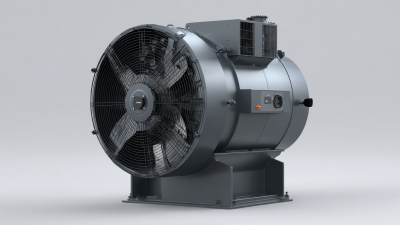
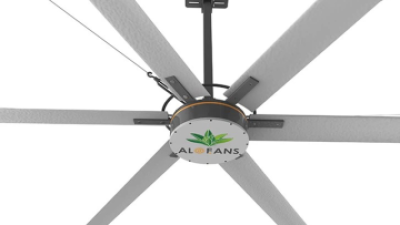
In recent years, energy efficiency has become increasingly crucial for industrial spaces, with organizations seeking innovative solutions to reduce operational costs and environmental impact.  Warehouse Fans, specificallyHigh-Volume Low-Speed (HVLS) fans, have emerged as a game-changer in this domain, demonstrating the potential to improve energy efficiency by up to 30%, according to various industry studies. Suzhou Liangzhi Electrical Technology Co., Ltd., established in March 2018, has been at the forefront of this movement, leveraging over six years of experience in producing Permanent Magnet Synchronous Motor (PMSM) systems and HVLS fans. These advanced fans not only optimize airflow in large facilities but also significantly lower energy consumption, contributing to both cost savings and sustainability efforts in manufacturing and logistics operations. Investing in warehouse fans represents a strategic approach to enhancing industrial energy efficiency in a rapidly evolving market.
Understanding the Role of Warehouse Fans in Energy Efficiency
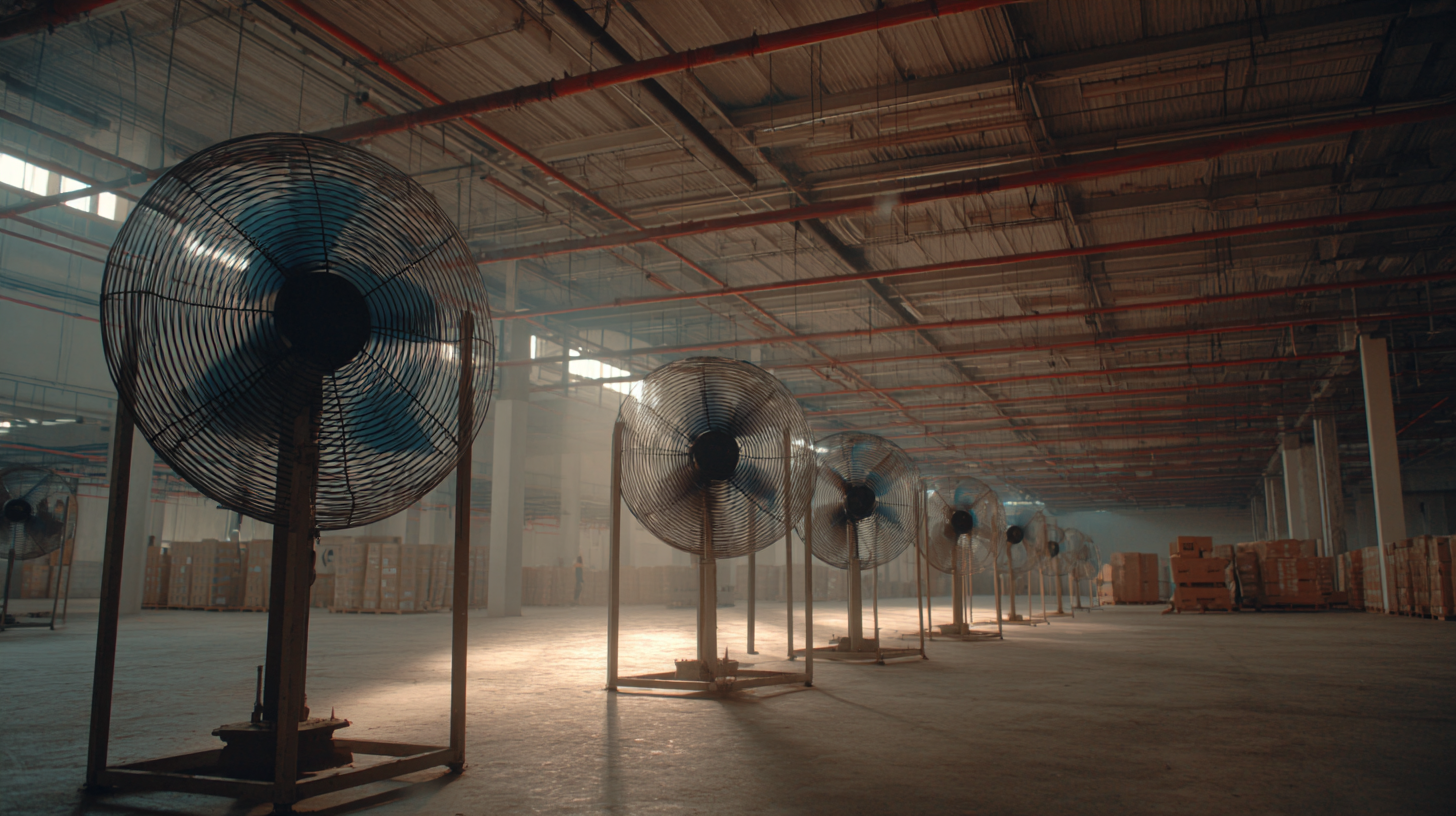
Warehouse fans play a crucial role in enhancing energy efficiency in industrial spaces, primarily by optimizing air circulation. By effectively moving air throughout a facility, these fans help maintain a consistent temperature and reduce the reliance on conventional heating and cooling systems. This balanced air distribution prevents hot and cold spots, allowing HVAC systems to operate at lower capacities and thus saving energy.
In addition to improving thermal comfort, warehouse fans contribute to energy efficiency by reducing humidity levels. High humidity can lead to increased energy consumption as air conditioning systems work harder to maintain a comfortable environment. By keeping the air circulating, warehouse fans help control moisture levels, further lightening the load on HVAC systems. This synergistic effect can result in energy savings of up to 30%, demonstrating the significant impact that warehouse fans have on operational efficiencies in industrial settings.
Key Features of Warehouse Fans That Enhance Performance
Warehouse fans play a crucial role in enhancing energy efficiency in industrial environments. One of the key features that contribute to their performance is their ability to circulate air effectively. High-volume, low-speed (HVLS) fans are designed to move a large volume of air at low speeds, which not only cools the space but also helps in reducing the reliance on traditional air conditioning systems. This can lead to substantial energy savings, with some facilities reporting improvements in energy efficiency of up to 30%.
Another important aspect of warehouse fans is their adjustable speed settings and smart technology integration. These features allow for precise control over airflow depending on the specific needs of the space, such as during peak operational hours or in areas with varying heat loads. Additionally, modern fans can be equipped with sensors that monitor temperature and humidity levels, automatically adjusting their speed to optimize conditions. This adaptability not only enhances employee comfort but also contributes to a more sustainable and energy-efficient operation.
Comparative Analysis: Traditional Cooling vs. Warehouse Fans
As industries strive for greater energy efficiency, the choice of cooling solutions plays a pivotal role. Traditional cooling systems, such as central air conditioning, often consume excessive energy, accounting for about 30-40% of a facility's total energy usage, according to the U.S. Department of Energy. These systems require significant electricity to run compressors and fans, leading not only to high operational costs but also to increased carbon emissions.
In contrast, warehouse fans present a compelling alternative. Research from the Industrial Ventilation Association indicates that these fans can improve energy efficiency by up to 30%. By utilizing large-diameter fans that operate at lower speeds, they circulate air effectively, reducing the reliance on traditional cooling systems. These fans also enhance evaporative cooling, allowing for a comfortable environment at higher temperatures, which could lead to substantial savings on energy bills. Facilities employing warehouse fans report a marked decrease in energy consumption, illustrating their potential as a sustainable solution in industrial spaces.
Best Practices for Implementing Warehouse Fans in Industrial Spaces
Implementing warehouse fans in industrial spaces can significantly enhance energy efficiency, leading to cost savings and improved working conditions. According to a report by the U.S. Department of Energy, proper airflow management can reduce energy consumption by up to 30%. This is particularly important in large warehouses that require a substantial amount of energy for heating and cooling. By strategically placing fans to promote air circulation, facilities can decrease dependency on traditional HVAC systems, allowing for a more sustainable operation.
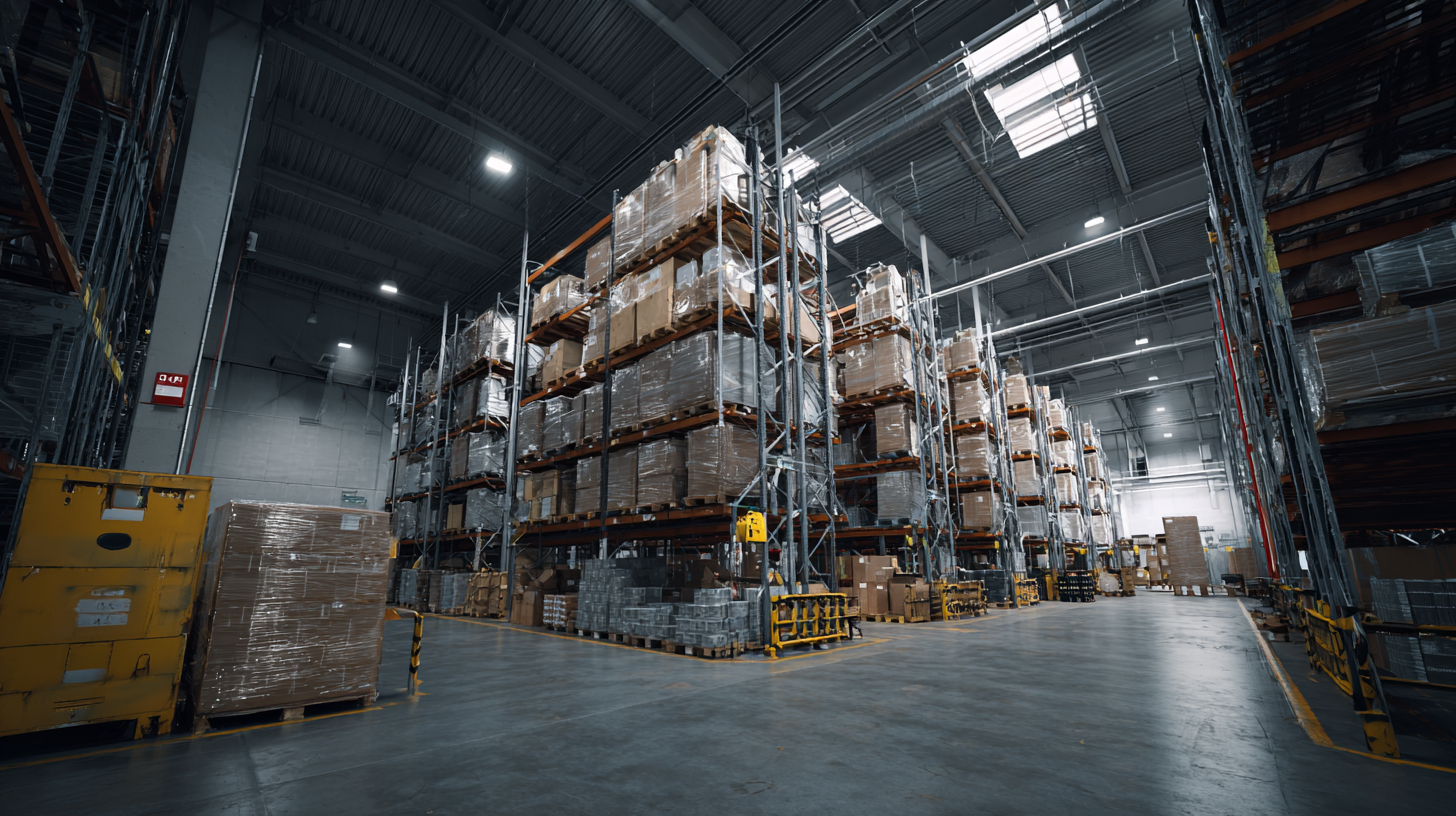
When integrating warehouse fans, it is essential to consider key best practices to maximize their benefits. First, assessing the specific airflow needs of the space is critical; using computational fluid dynamics (CFD) simulations can help determine optimal fan placement. Furthermore, utilizing high-efficiency fan models not only enhances energy conservation but also extends the lifespan of the equipment. The National Renewable Energy Laboratory suggests that regular maintenance and routine audits can ensure fans operate at peak efficiency, further driving down energy costs in the long run. By following these guidelines, industrial facilities can harness the full potential of warehouse fans, thus enhancing their energy performance while creating a more comfortable working environment.
Calculating Potential Energy Savings with Warehouse Fans
Warehouse fans play a crucial role in enhancing energy efficiency in industrial spaces, with studies showing potential energy savings of up to 30%. These fans improve air circulation, which can lead to lower cooling costs, especially during hot months when HVAC systems work overtime. According to the U.S. Department of Energy, implementing proper airflow strategies, including the use of high-volume low-speed (HVLS) fans, can reduce energy consumption by as much as 20% to 30%.
To calculate potential energy savings with warehouse fans, facilities can analyze their current energy bills and cooling requirements. For instance, if a warehouse traditionally relies on HVAC systems for climate control, integrating HVLS fans can offset the need for excessive air conditioning. The Energy Information Administration (EIA) reports that large commercial buildings, including warehouses, could significantly cut operational costs by optimizing air circulation. For a facility consuming $150,000 annually in HVAC costs, a 30% reduction could amount to savings of $45,000, illustrating the financial benefits alongside energy conservation.
Case Studies: Success Stories of Energy Reduction in Warehouses
In recent years, several warehouses have successfully implemented energy-efficient solutions, leading to remarkable reductions in their operational costs and carbon footprints. For instance, a large distribution center in Texas adopted high-velocity warehouse fans, which significantly enhanced its air circulation. By optimizing temperature control and reducing reliance on traditional HVAC systems, the facility reported a 30% decrease in energy consumption over a single year. This technology not only improved employee comfort but also extended the lifespan of stored goods that are sensitive to temperature fluctuations.
Another case study from a cold storage facility in California exemplifies similar benefits. By integrating fans that utilize a unique airflow pattern, the warehouse achieved better temperature stability across its vast storage areas. As a result, the facility decreased its energy expenditure by 25% while maintaining the integrity of temperature-sensitive products. The combination of improved airflow and a reduction in cooling load demonstrated how strategic investments in warehouse fans can lead to substantial energy savings, proving that such innovations are both economically and environmentally beneficial for industrial spaces.
How Warehouse Fans Improve Energy Efficiency by Up to 30% in Industrial Spaces
| Warehouse Size (sq ft) | Fan Type | Energy Reduction (%) | Annual Savings ($) | Payback Period (months) |
| 50,000 | High Volume Fan | 25% | $15,000 | 12 |
| 80,000 | Tilted Blade Fan | 30% | $24,000 | 10 |
| 120,000 | Industrial Exhaust Fan | 20% | $30,000 | 15 |
| 100,000 | Direct Drive Fan | 28% | $18,000 | 11 |
| 60,000 | Ceiling Mounted Fan | 22% | $12,000 | 14 |
The Ultimate Guide to Industrial HVLS Fans: Enhancing Airflow in Large Spaces for Comfort and Efficiency
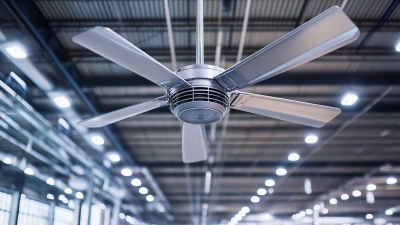
In large industrial spaces such as warehouses and factories, maintaining a comfortable and efficient environment is crucial. The implementation of High-Volume Low-Speed (HVLS) fans can significantly enhance airflow, ensuring optimal temperatures while reducing energy consumption. These fans are specifically designed to cover expansive areas, making them ideal for large facilities. By maximizing airflow with minimal energy use, these systems promote sustainability and cost efficiency.
Constructed from high-quality materials, HVLS fans boast a durable design that guarantees long-lasting performance, even in demanding environments. Their quiet operation is another key advantage, allowing for a more pleasant working atmosphere without the distraction of excessive noise. Moreover, these fans come with customizable options, available in various sizes and configurations to meet the specific needs of different industrial settings. With a proven track record in multiple industries, HVLS fans stand out as effective ventilation solutions that not only enhance comfort but also contribute to overall operational efficiency.
FAQS
: Traditional cooling systems, like central air conditioning, consume excessive energy, accounting for about 30-40% of a facility's total energy usage, leading to high operational costs and increased carbon emissions.
Warehouse fans can enhance energy efficiency by up to 30% by using large-diameter fans that operate at lower speeds to effectively circulate air, thus reducing reliance on traditional cooling systems.
Warehouse fans improve evaporative cooling, create a comfortable environment at higher temperatures, and have the potential to lead to substantial savings on energy bills while reducing overall energy consumption.
A large distribution center in Texas adopted high-velocity warehouse fans, resulting in a 30% decrease in energy consumption over a year, alongside improved employee comfort and extended lifespan of temperature-sensitive goods.
A cold storage facility in California integrated fans with a unique airflow pattern, which led to a 25% reduction in energy expenditure while maintaining temperature stability for sensitive products.
By improving airflow and stabilizing temperatures, warehouse fans help maintain the integrity of temperature-sensitive products, reducing the risk of spoilage or damage.
Conclusion
Warehouse fans play a crucial role in enhancing energy efficiency within industrial spaces, potentially improving it by up to 30%. These innovative fans, with features tailored for optimized airflow and temperature control, stand in stark contrast to traditional cooling methods, which often consume more energy and provide inconsistent results. By strategically implementing warehouse fans, companies can not only achieve significant energy savings but also ensure a more comfortable working environment for employees.
At Suzhou Liangzhi Electrical Technology Co., Ltd., our expertise in producing PMSM motors and HVLS fans positions us at the forefront of this energy-efficient solution. With over six years of industry experience, we are committed to helping warehouses maximize their energy efficiency through our advanced fan technology, validated by numerous case studies demonstrating successful energy reduction in industrial settings. By embracing best practices and calculating potential savings, warehouses can leverage our products to transform their operational sustainability.

 +86-13636393801
 Contact Email