 +86-13636393801
Leave Your Message
-
Contact Number
-
 Contact Email
Aircraft hangars and aviation facilities represent some of the most challenging environments to manage from an HVAC perspective. By design, these structures feature immense open volumes, soaring ceiling heights ranging from 30 to over 90 feet, and massive hangar doors that are opened frequently to move aircraft. Whenever these oversized doors open, the indoor climate is instantly compromised, losing conditioned air to the outdoors in seconds. High Volume Low Speed (HVLS) ceiling fans have transitioned from a luxury addition to an absolute engineering necessity in modern aviation infrastructure. They offer a highly efficient, aerodynamically sound method to continuously circulate millions of cubic feet of air, resolving thermal stratification, eliminating condensation hazards, and ensuring worker comfort and safety.
In high-ceiling aviation buildings, thermal stratification is a continuous thermodynamic struggle. Because hot air naturally rises (buoyancy effect) and cold air sinks, the temperature difference between the hangar floor and the ceiling can exceed 20°F (11°C). Traditional HVAC systems must work overtime to push warm air down to the working zone, resulting in massive energy waste and high utility costs. HVLS fans counter this by drawing warm air down from the ceiling and distributing it horizontally across the floor, creating a uniform thermal environment.
During colder months, heating costs for aviation hangars can be astronomical. The heat generated by overhead radiant heaters or duct systems immediately rises to the rafters, where it does nothing to warm the ground crews. By running HVLS ceiling fans at a low speed in reverse or forward direction, the stratified air is gently destratified. This process redistributes the trapped heat back to the floor level without creating drafty conditions that could disrupt precision maintenance operations. Facilities using HVLS systems regularly report heating energy savings of 20% to 30%, significantly reducing the carbon footprint of airport operations.
One of the most dangerous hazards in an aircraft hangar is Sweating Slab Syndrome (SSS). This occurs when warm, humid outdoor air enters the hangar and comes into contact with a cold concrete floor slab that is below the dew point temperature. The moisture condenses instantly, turning the concrete floor into a slick hazard. This poses severe slip-and-fall risks for technicians carrying heavy parts and reduces traction for multi-million dollar aircraft towing tugs. HVLS fans prevent SSS by continuously moving air across the concrete floor, accelerating moisture evaporation and matching the surface temperature of the concrete with the ambient air temperature.
The heart of a high-performance HVLS fan is its motor. Historically, industrial fans relied on geared motors, which required regular lubrication, produced audible mechanical noise, and carried the risk of oil leaks. In an aviation hangar, where cleanliness is paramount and oil leaks can ruin expensive flooring or contaminate aircraft components, geared systems are far from ideal. The shift toward Permanent Magnet Synchronous Motor (PMSM) technology has revolutionized the industry.
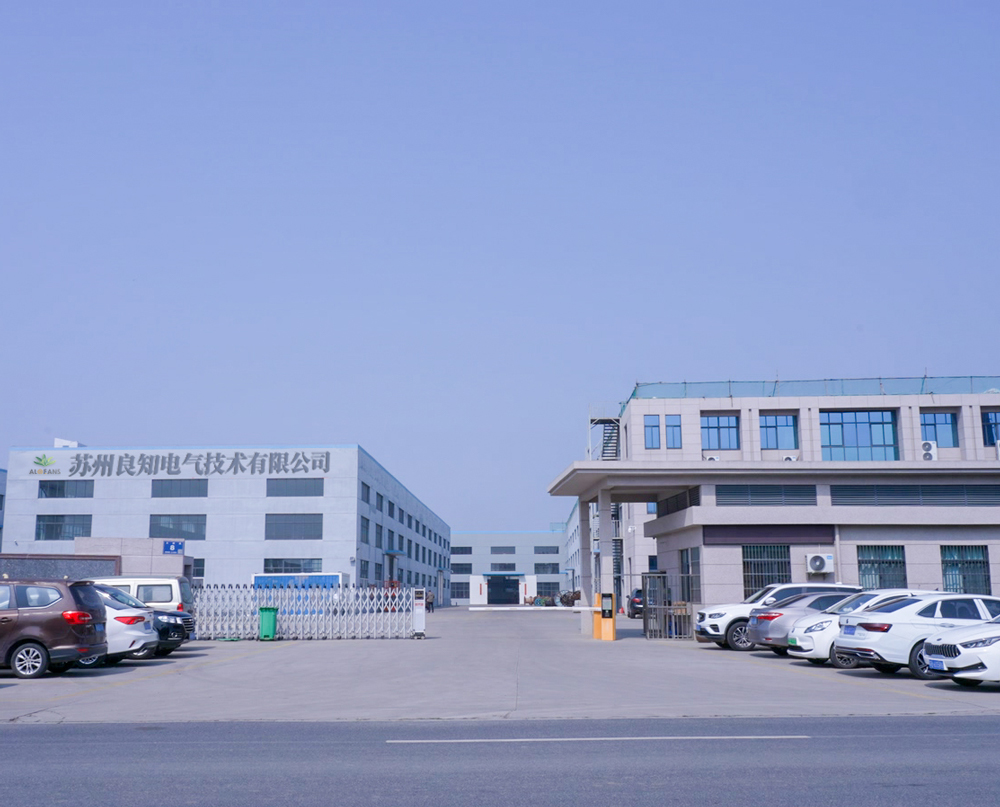
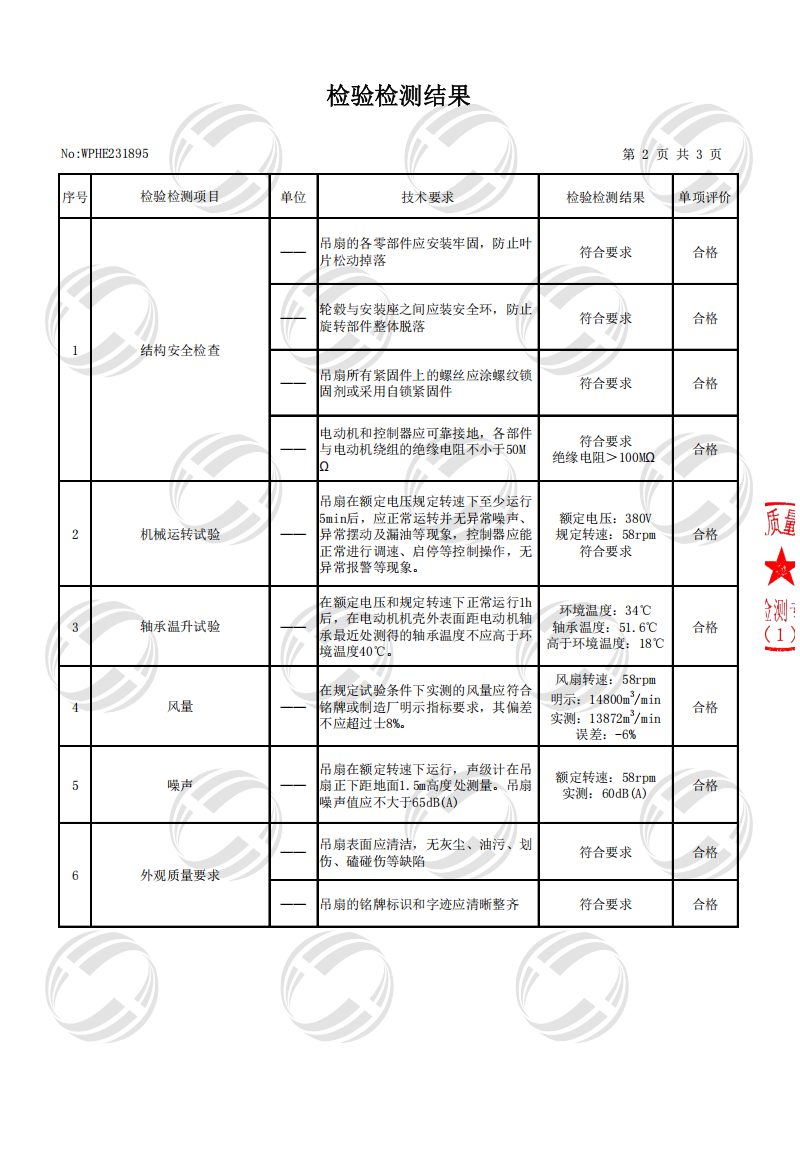
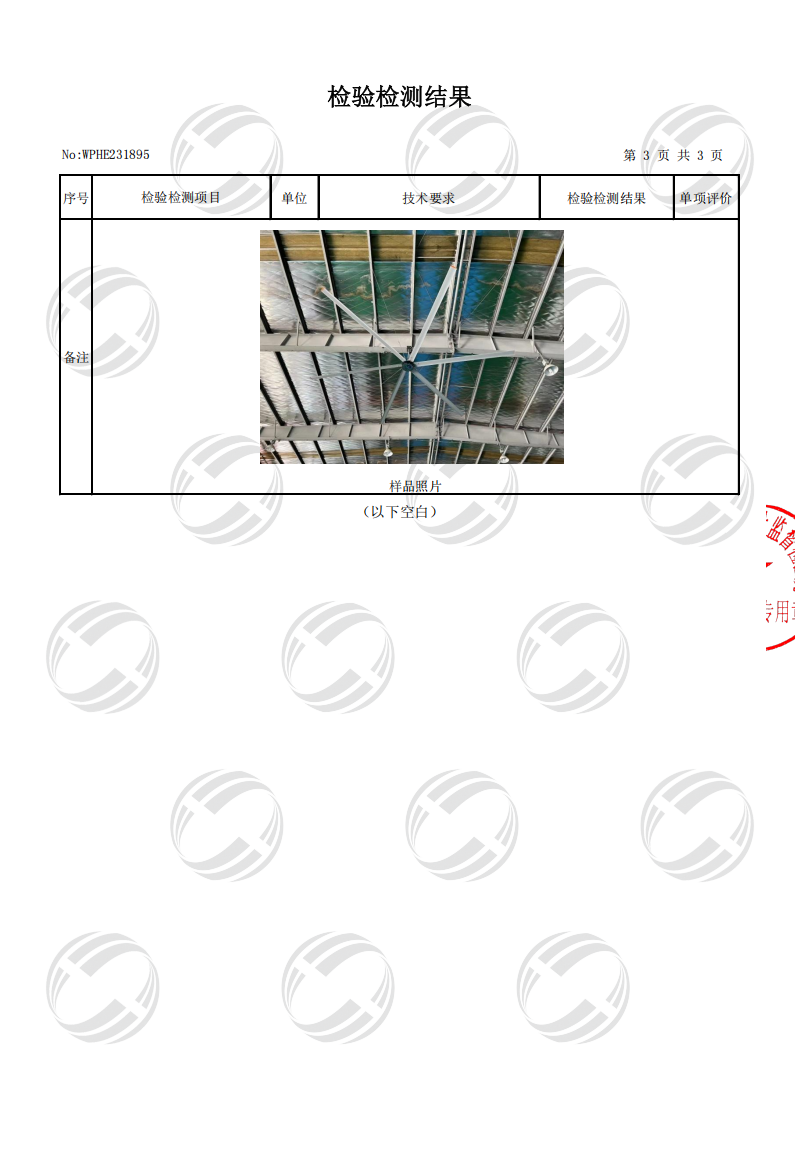
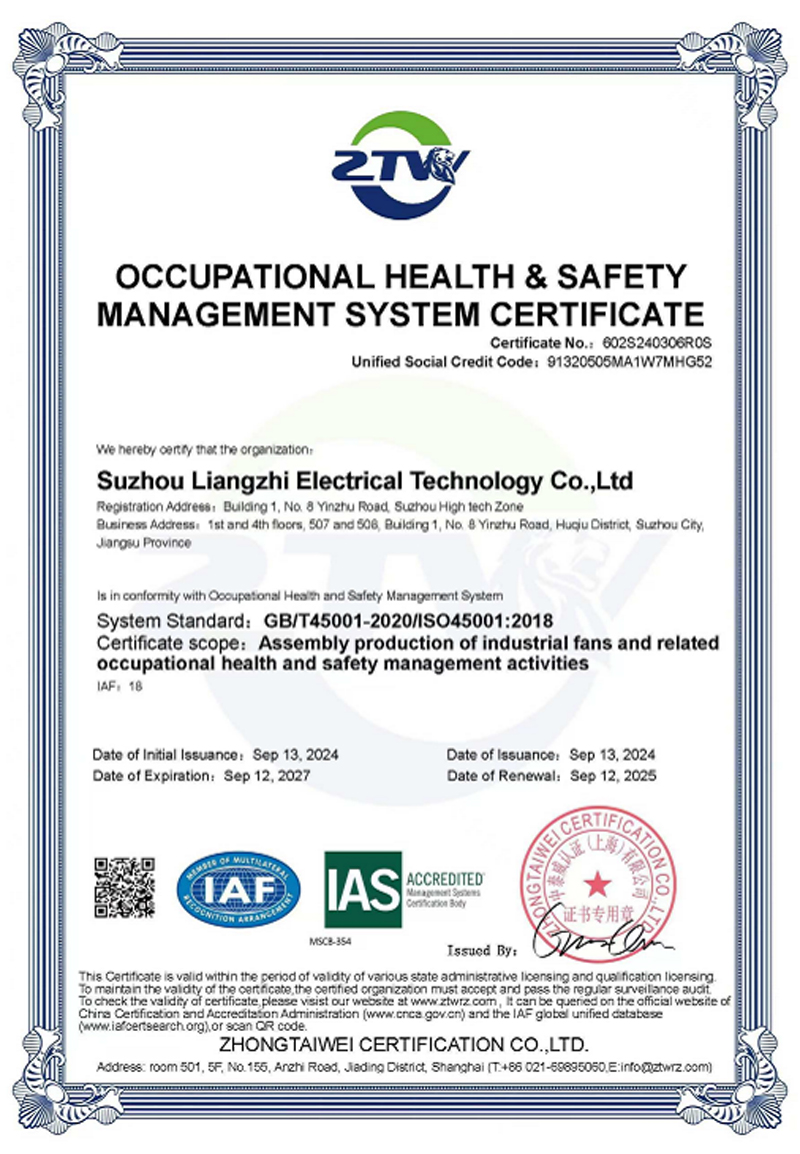
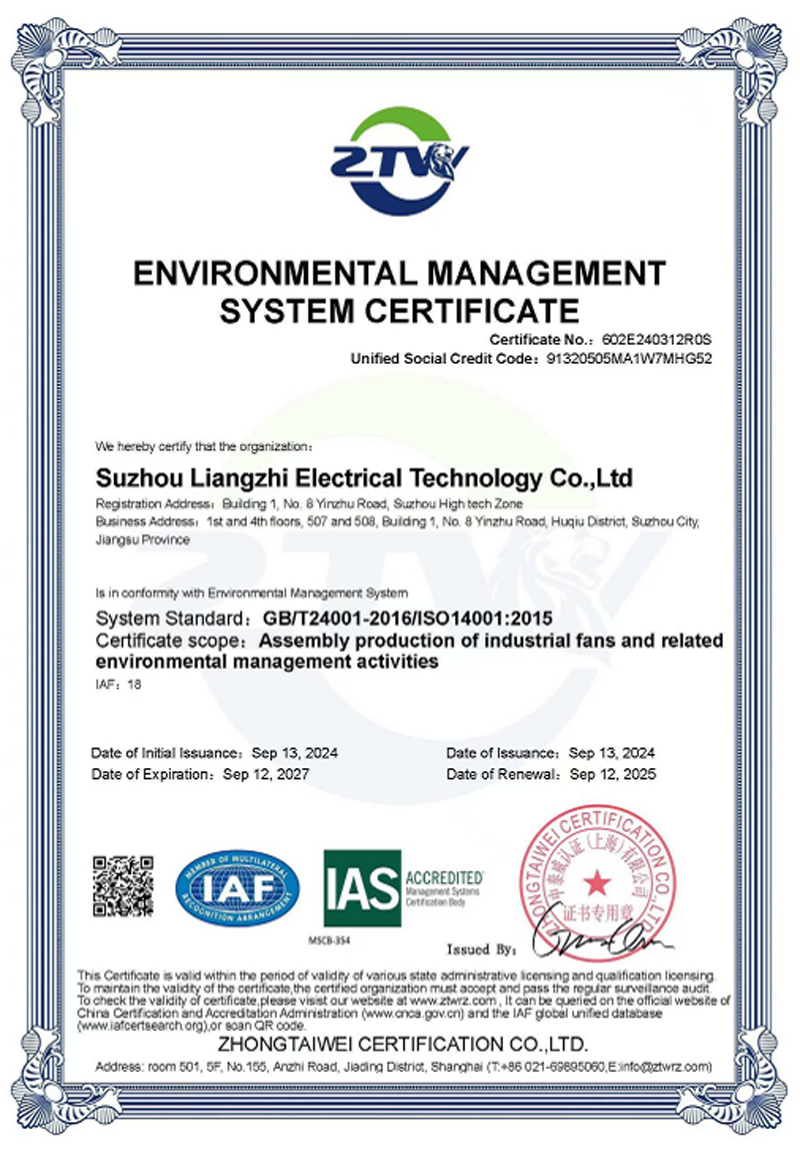
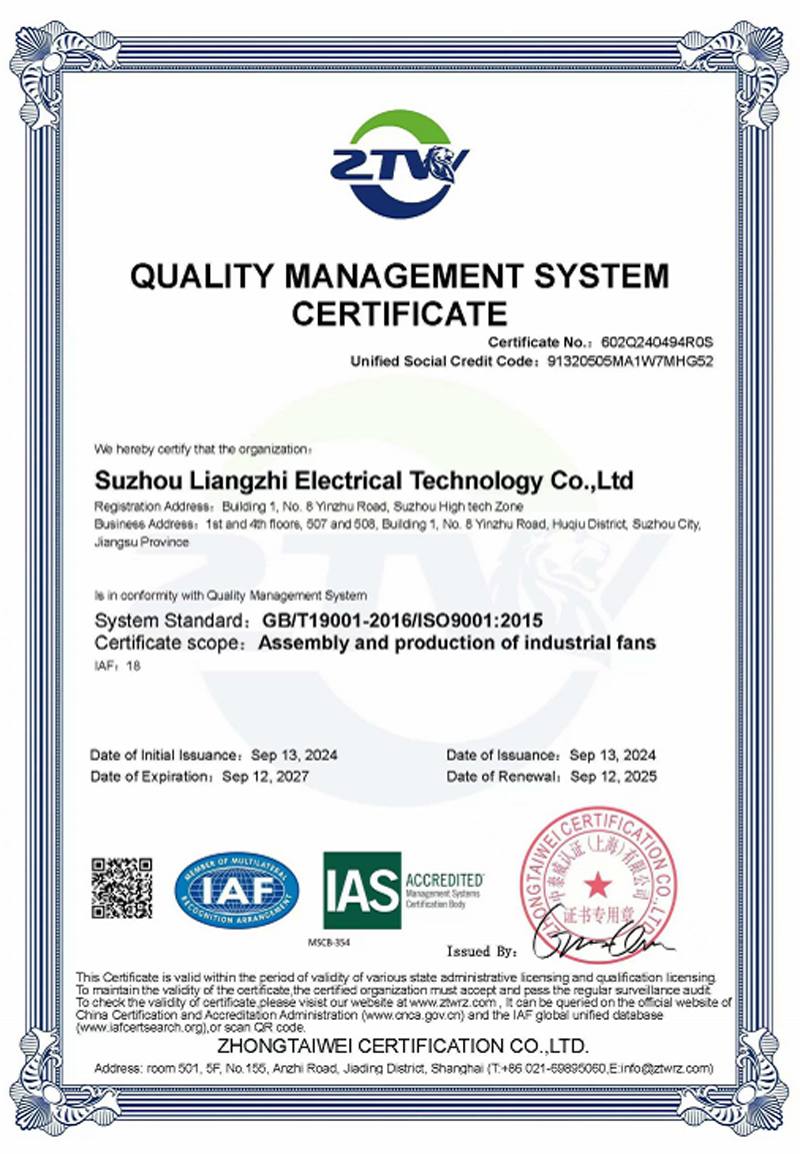
PMSM motors are direct-drive systems, meaning they eliminate the gearbox entirely. This results in an incredibly quiet operating profile, zero risk of oil contamination, and a significant decrease in weight and maintenance requirements. Suzhou Liangzhi Electrical Technology has spent over six years perfecting PMSM motor and controller technology, offering high torque density and exceptional electrical efficiency tailored specifically for large-scale facilities.
Aviation maintenance involves various chemicals, solvents, jet fuels, and exhaust emissions. Stagnant air in a hangar can trap these volatile organic compounds (VOCs) and engine exhaust, creating hazardous breathing zones for ground crews. While standard exhaust systems pull air out of the building, they often fail to circulate the air in dead zones or corners. HVLS ceiling fans act as air blenders, constantly mixing the indoor air mass. This continuous movement pushes fumes toward wall-mounted exhaust vents or open hangar bays, dramatically improving overall indoor air quality and ensuring compliance with occupational health and safety standards.
Modern aircraft contain highly complex avionics, radar systems, and electronic control units. During maintenance, these units are often exposed to the hangar environment. High humidity and localized hot zones can accelerate corrosion on delicate contacts and cause thermal stress to sensitive components. By maintaining a stable, uniform temperature and relative humidity throughout the entire volume of the hangar, HVLS fans provide a stable, controlled microclimate that protects critical aerospace systems from moisture-induced degradation.

Not all aviation facilities are built the same, and each requires a tailored approach to airflow management. Here, we analyze how different types of aviation hangars utilize HVLS fans to optimize their operations.
Commercial MRO facilities operate 24/7/365 to keep passenger and cargo fleets flying safely. These spaces host a high density of technicians, heavy equipment, scaffolding, and mobile work platforms. Because work is performed at various heights—from landing gear maintenance at ground level to tail fin repairs 60 feet up—a uniform climate is essential. HVLS fans create a continuous vertical column of air that wraps around the aircraft, providing a cooling effect of up to 10°F (5.5°C) for workers at all heights without blowing dust, papers, or small components, which could pose a Foreign Object Debris (FOD) risk.
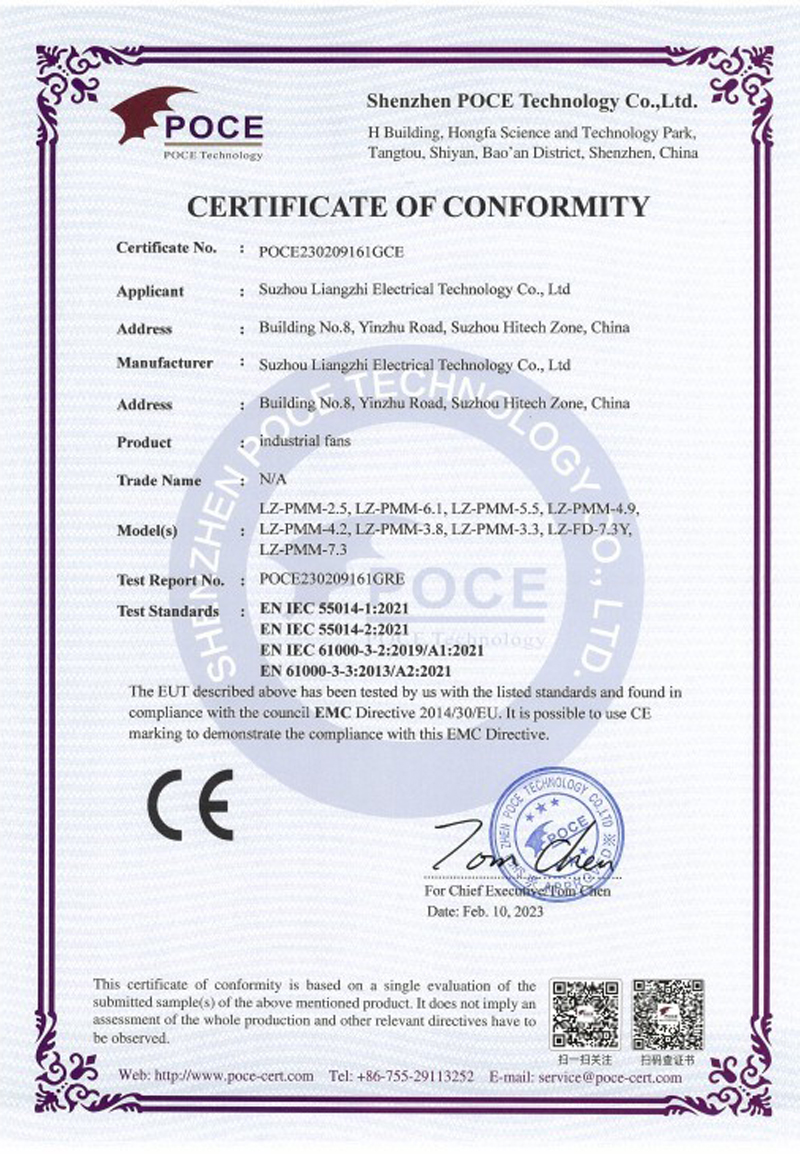
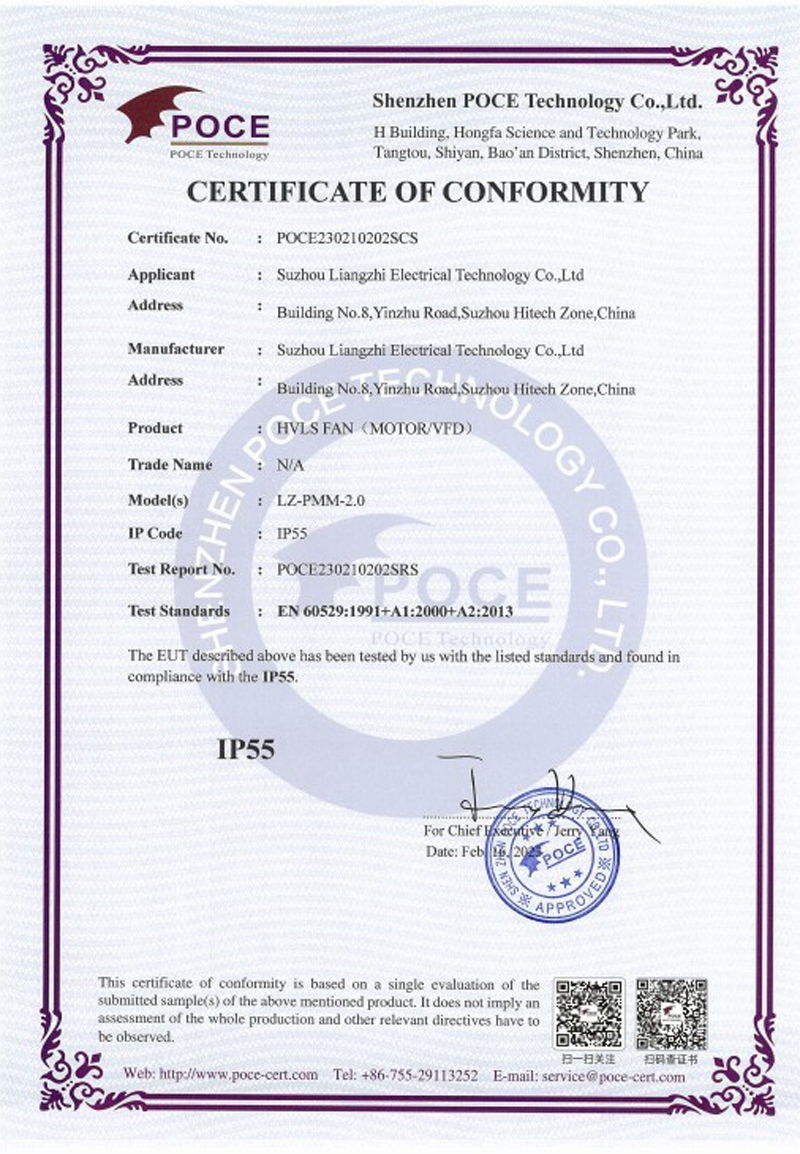
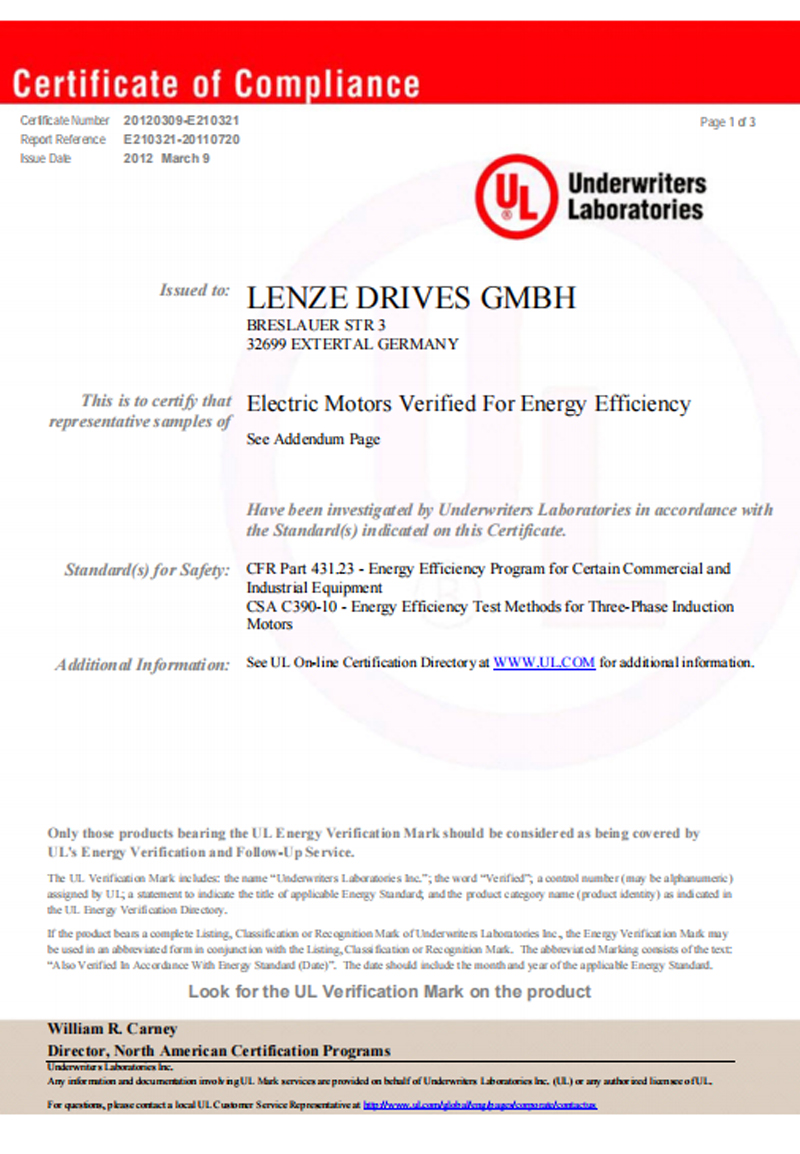
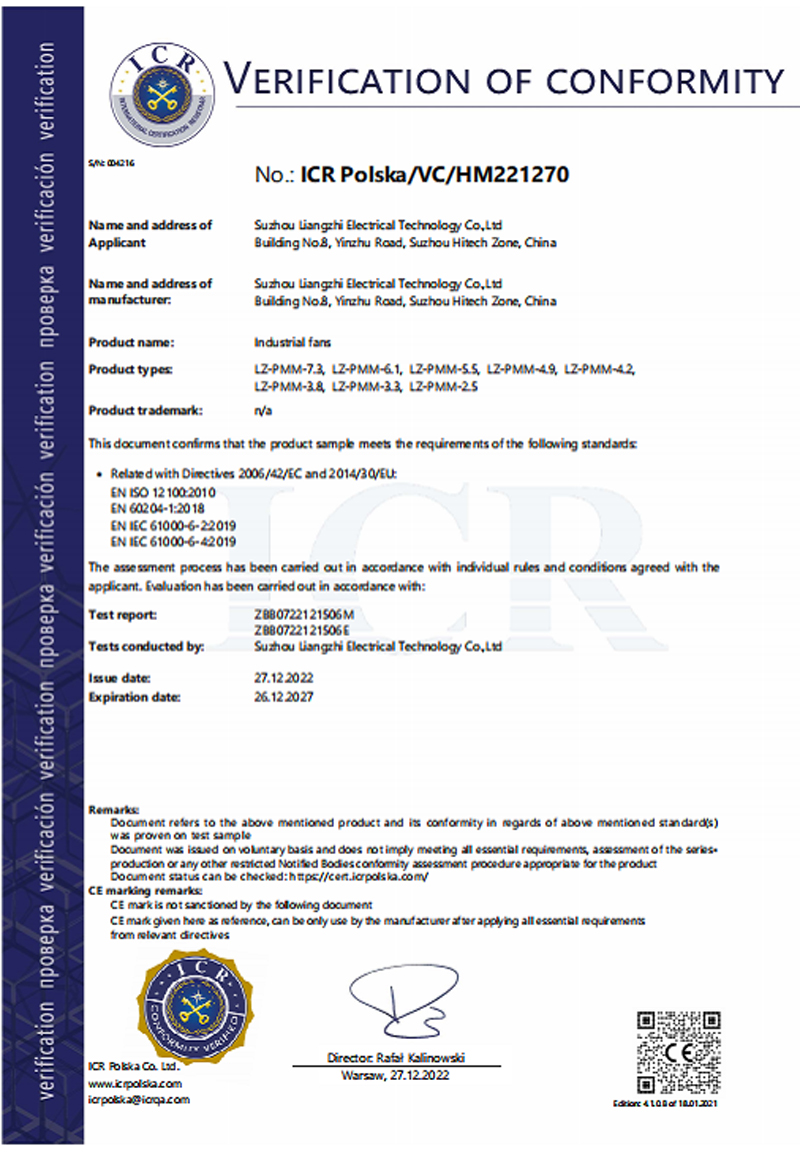
Military hangars house advanced fighter jets, transport planes, and helicopters. These facilities demand the highest levels of security, equipment reliability, and rapid deployment readiness. Equipment must operate flawlessly under extreme conditions. HVLS fans used in military facilities must meet strict safety guidelines and electromagnetic compatibility (EMC) standards to ensure they do not interfere with sensitive radar, navigation, or communication arrays. Suzhou Liangzhi’s PMSM motors, backed by comprehensive EMC certifications, provide high-performance airflow without generating electromagnetic interference.
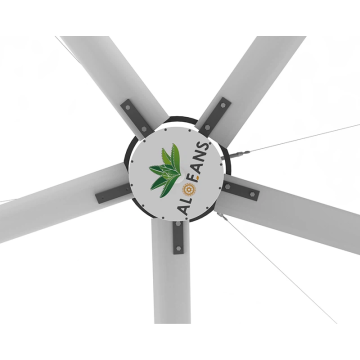
General aviation hangars for private jets and corporate flight departments serve as high-end showrooms. These spaces require clean, quiet, and aesthetically pleasing climate control. The direct-drive PMSM motor technology used in Aloe Fans operates silently, ensuring that executive briefings and VIP client handovers are not disrupted by mechanical noise. The elegant design of the airfoil blades integrates seamlessly with modern hangar architectures, reflecting the premium nature of the aircraft housed within.


For inquiries about our products or price list , please leave your email to us and we will be in touch within 24 hours
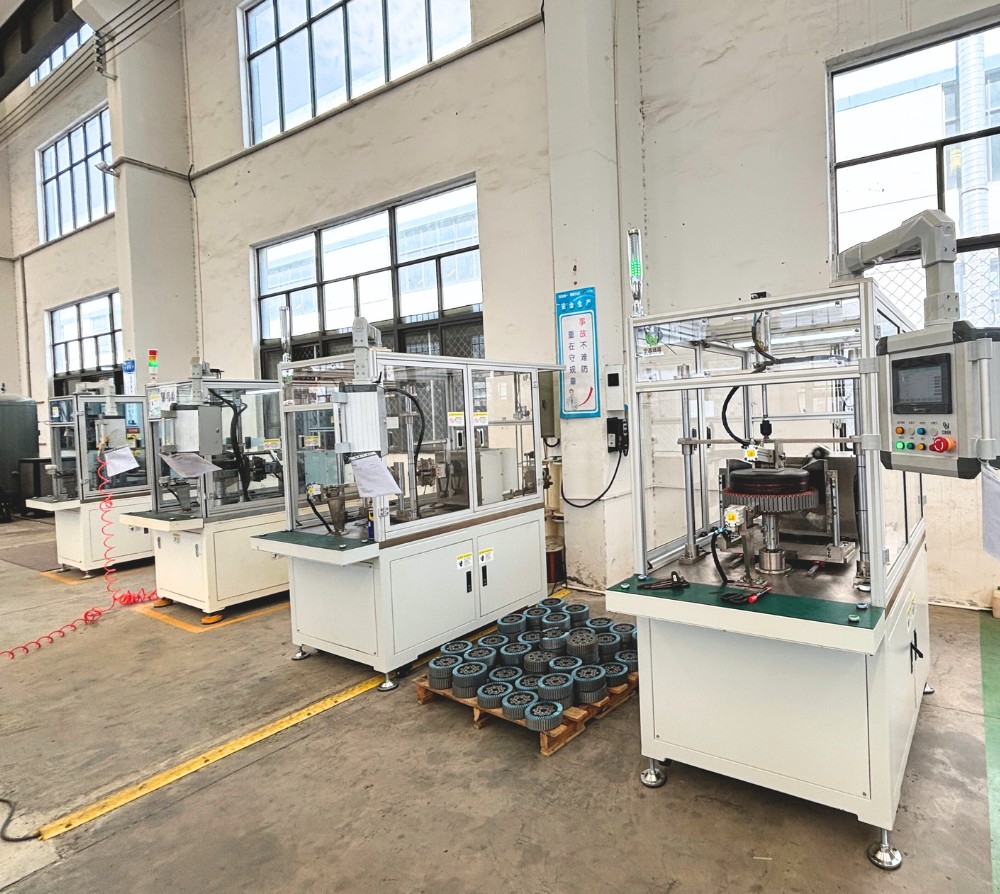
Inquiry NowTake a virtual look inside Suzhou Liangzhi Electrical Technology's state-of-the-art manufacturing facility, where our advanced PMSM motors and high-volume low-speed fans are engineered and assembled.