 +86-13636393801
Leave Your Message
-
Contact Number
-
 Contact Email
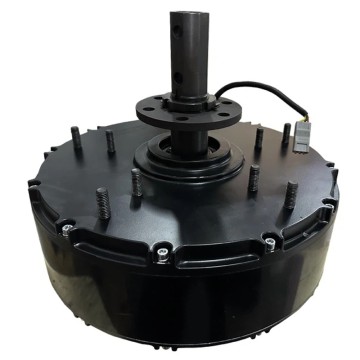
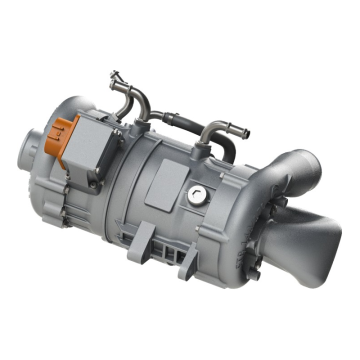
The modern industrial landscape is undergoing a massive transformation, particularly in the sectors of building materials and lumber storage. At the heart of this revolution is the Super High-speed PM (Permanent Magnet) Motor. Unlike traditional induction motors, Permanent Magnet Synchronous Motors (PMSM) utilize high-performance rare-earth magnets to generate a consistent magnetic field. When engineered for super high-speed applications, these motors deliver unprecedented power density, exceptional torque-to-weight ratios, and ultra-high efficiency that is absolutely critical for the demanding environments of heavy industrial storage facilities.
Globally, the building material and lumber storage industries are facing stringent regulatory pressures to reduce carbon footprints and enhance energy efficiency. Traditional AC asynchronous motors, which have powered conveyor belts, ventilation systems, and dust extractors for decades, are increasingly being recognized as energy bottlenecks. They suffer from significant slip losses and lower efficiency at partial loads. In contrast, the commercial adoption of Super High-speed PM Motors is surging. Market analyses indicate a rapid shift towards PMSM technology, driven by the need for continuous, reliable operation in harsh environments.
In massive lumber yards and building material warehouses, the cost of electricity and maintenance constitutes a massive portion of operational expenditures (OPEX). Super high-speed PM motors operate with efficiencies often exceeding IE4 and IE5 standards, translating to massive cost savings. Furthermore, the compact footprint of these motors allows facility managers to optimize space—a premium commodity in storage logistics. The high RPM capabilities mean that fans, blowers, and compressors can be driven directly without the need for bulky, maintenance-heavy gearboxes.
Building materials such as cement, drywall, and raw timber require highly specific environmental conditions to prevent degradation. Cement is highly susceptible to moisture, while drywall can warp or harbor mold if humidity is not strictly controlled. Lumber, specifically, is a living material; it expands, contracts, and can easily succumb to rot, fungal decay, or insect infestation if the ambient air is stagnant. The deployment of Super High-speed PM Motors in High Volume Low Speed (HVLS) fans and high-velocity ventilation systems ensures a continuous, precisely controlled airflow that stabilizes the internal microclimate of these colossal storage spaces.
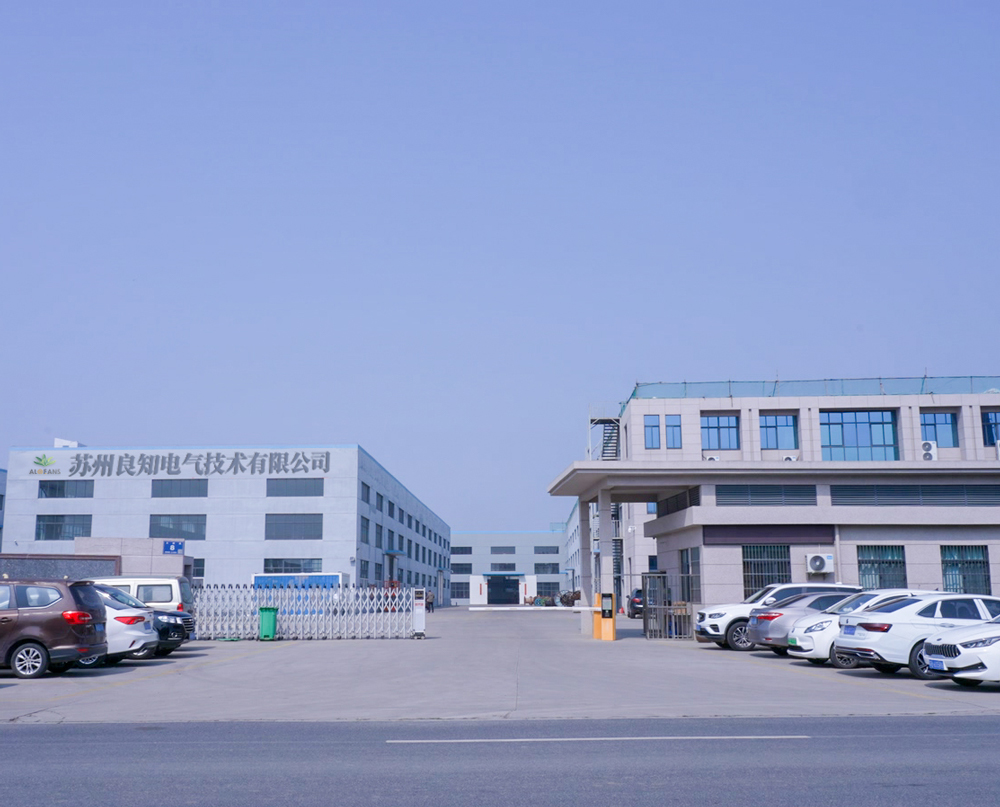
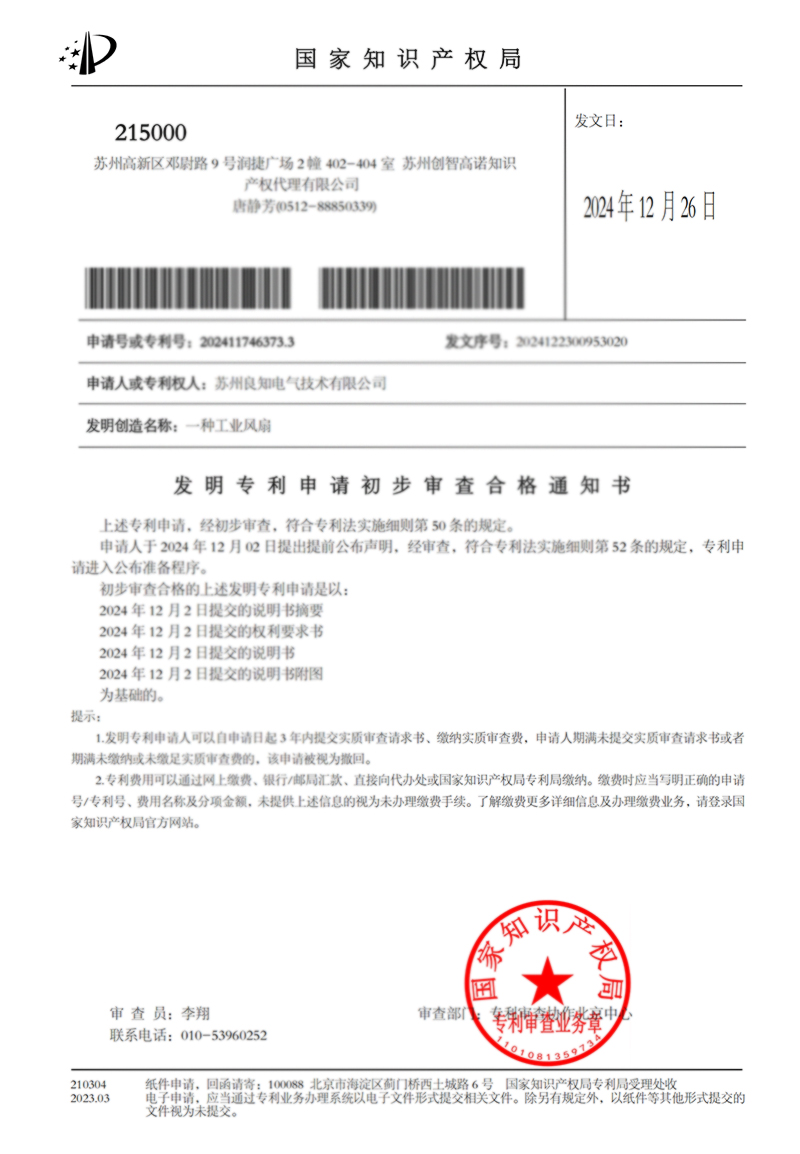
Our company was established in March 2018, and started to produce PMSM motors and HVLS fans. Our independently developed permanent magnet motors and controllers have accumulated over 6 years of industry experience. Continuously upgrading and improving, the core technology is now leading the HVLS fan industry. Our company vision is to provide reliable and affordable HVLS fans for every large space.
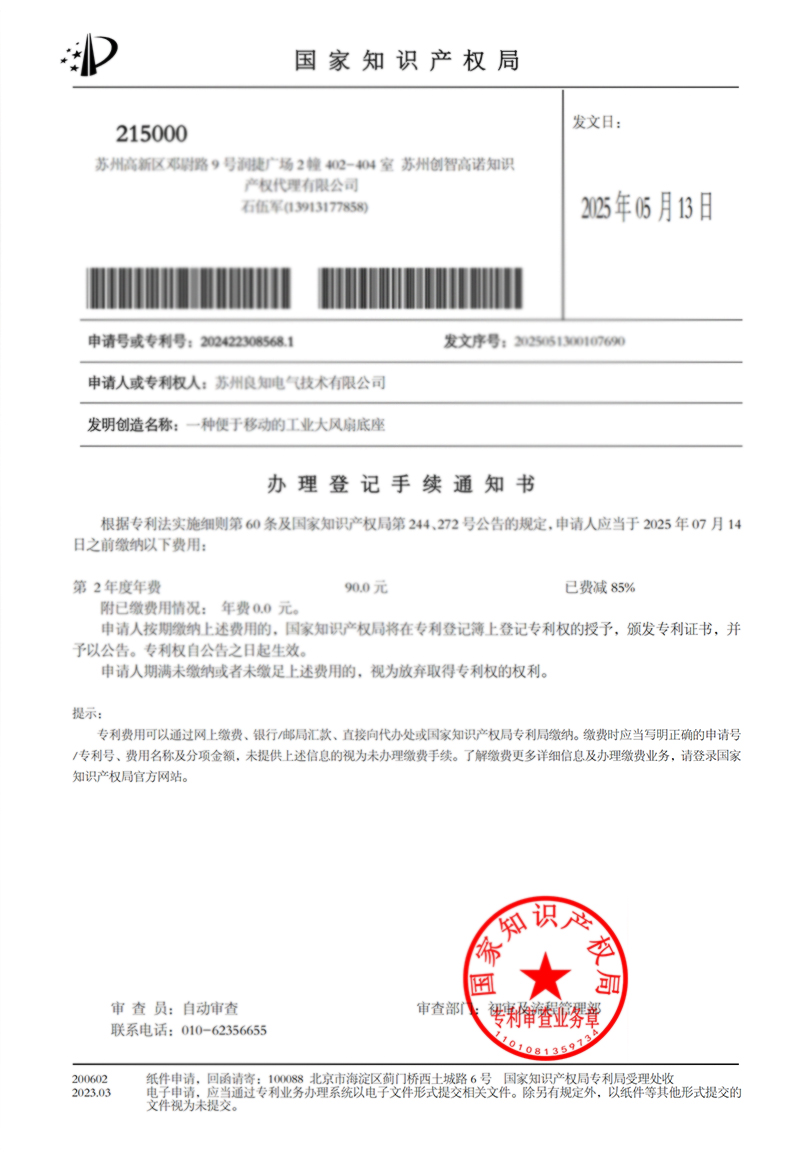
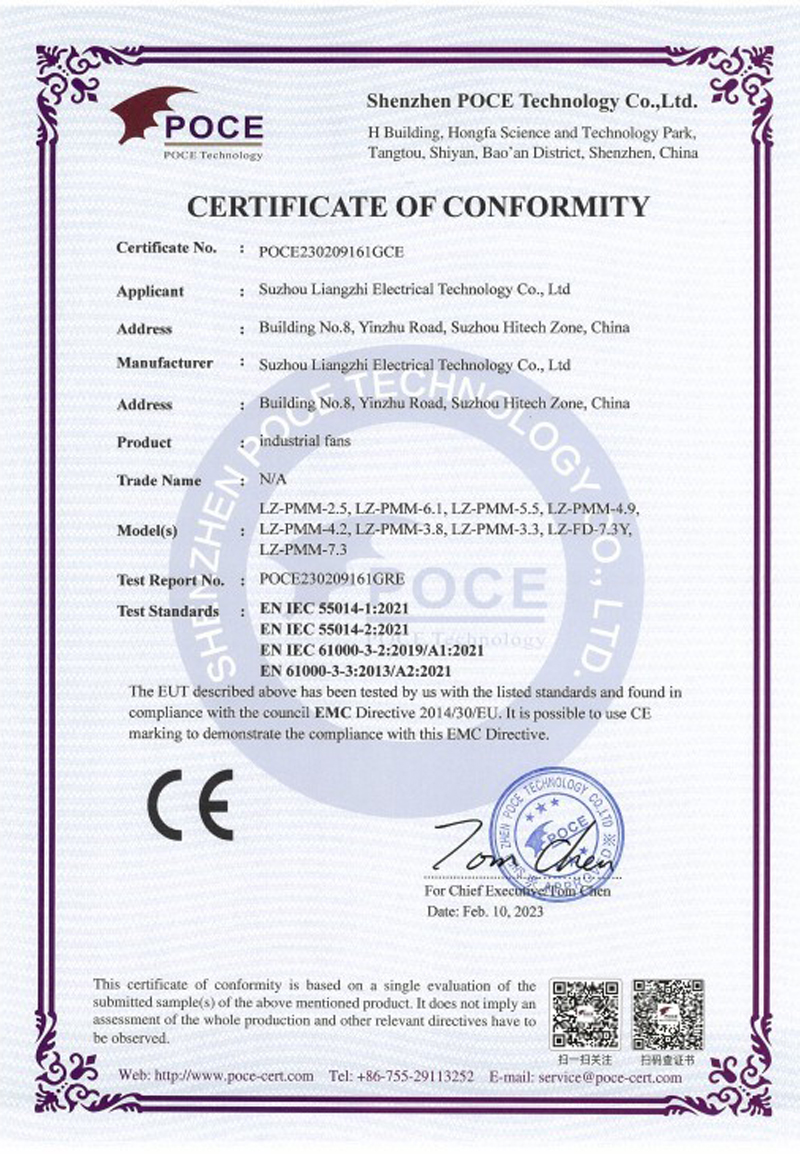
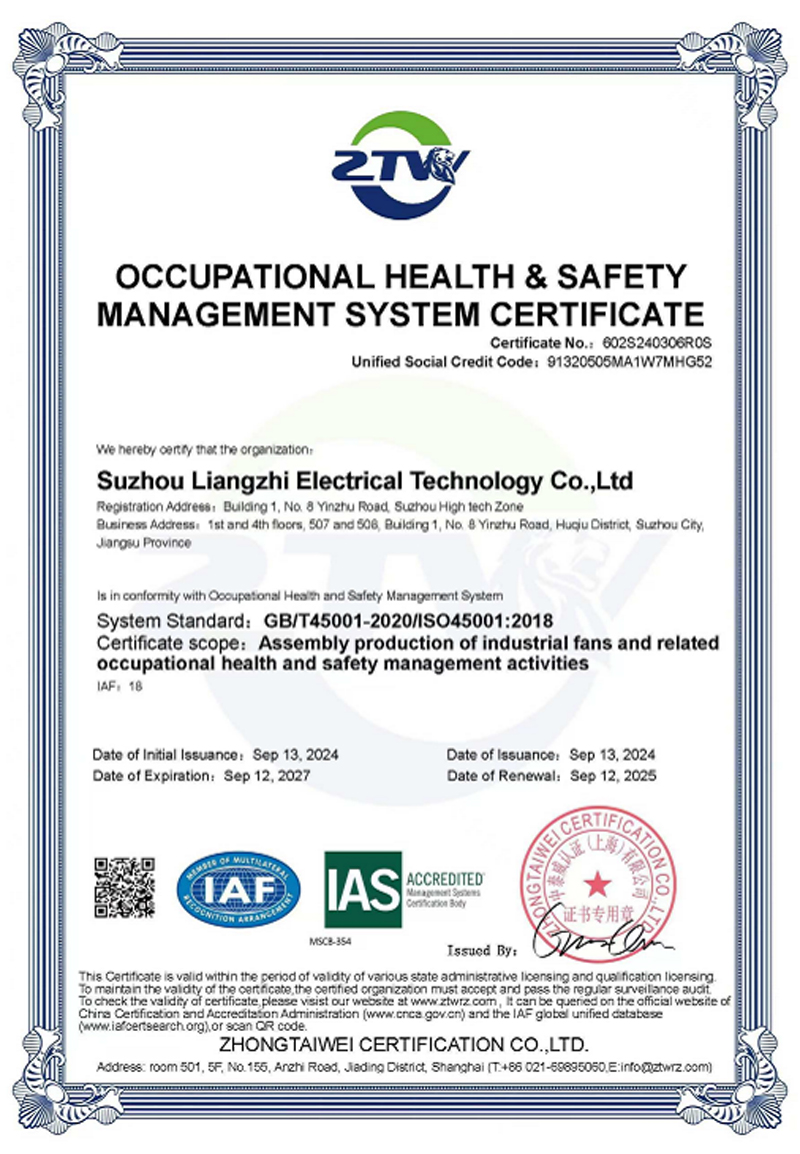
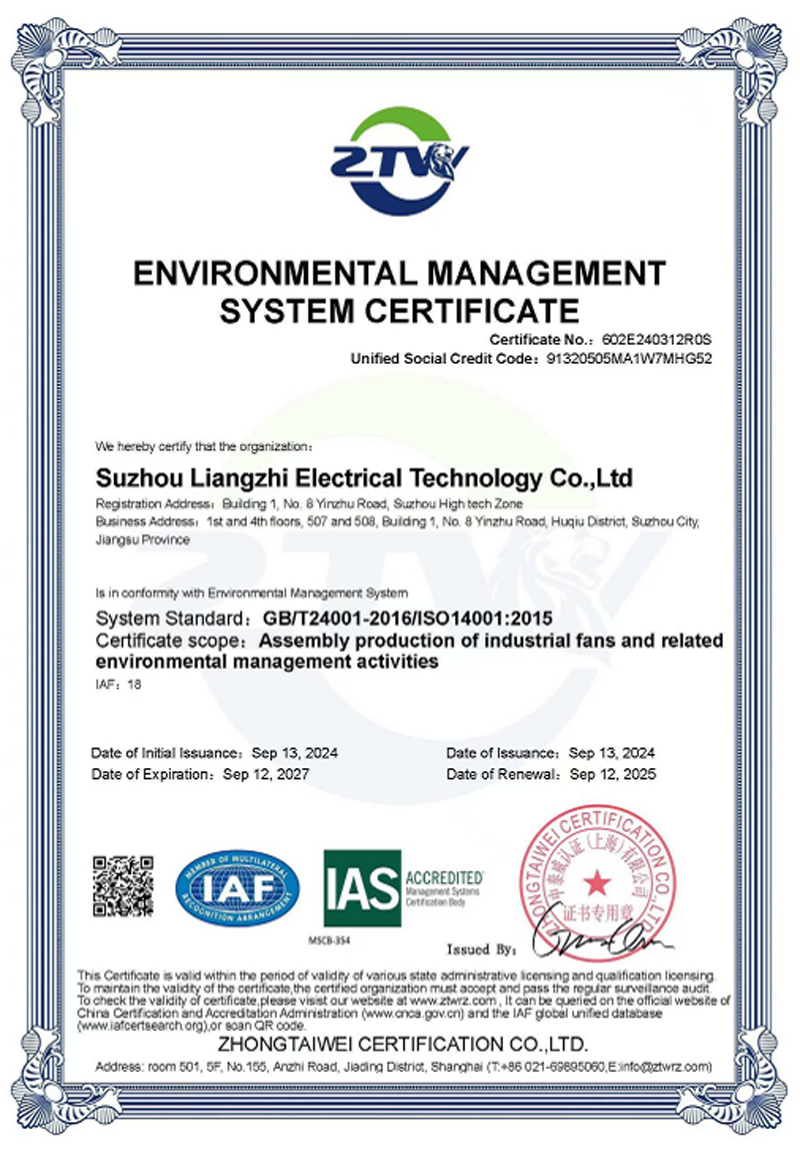
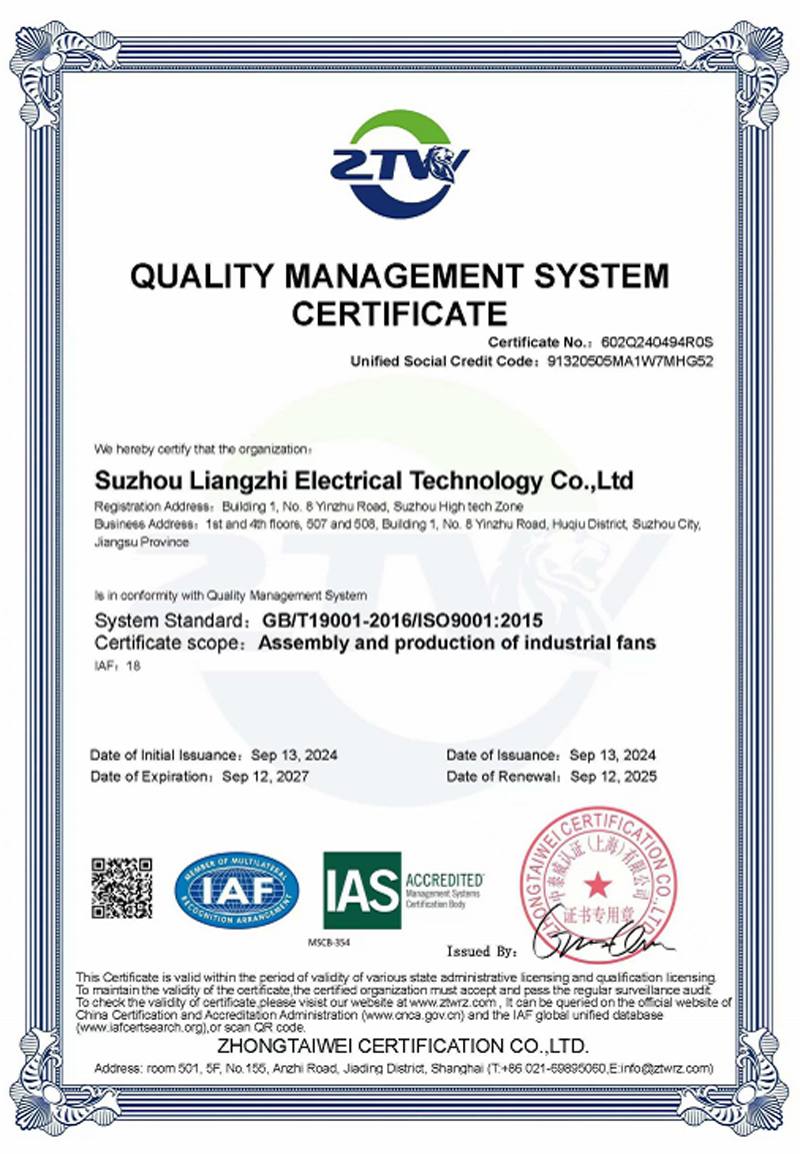
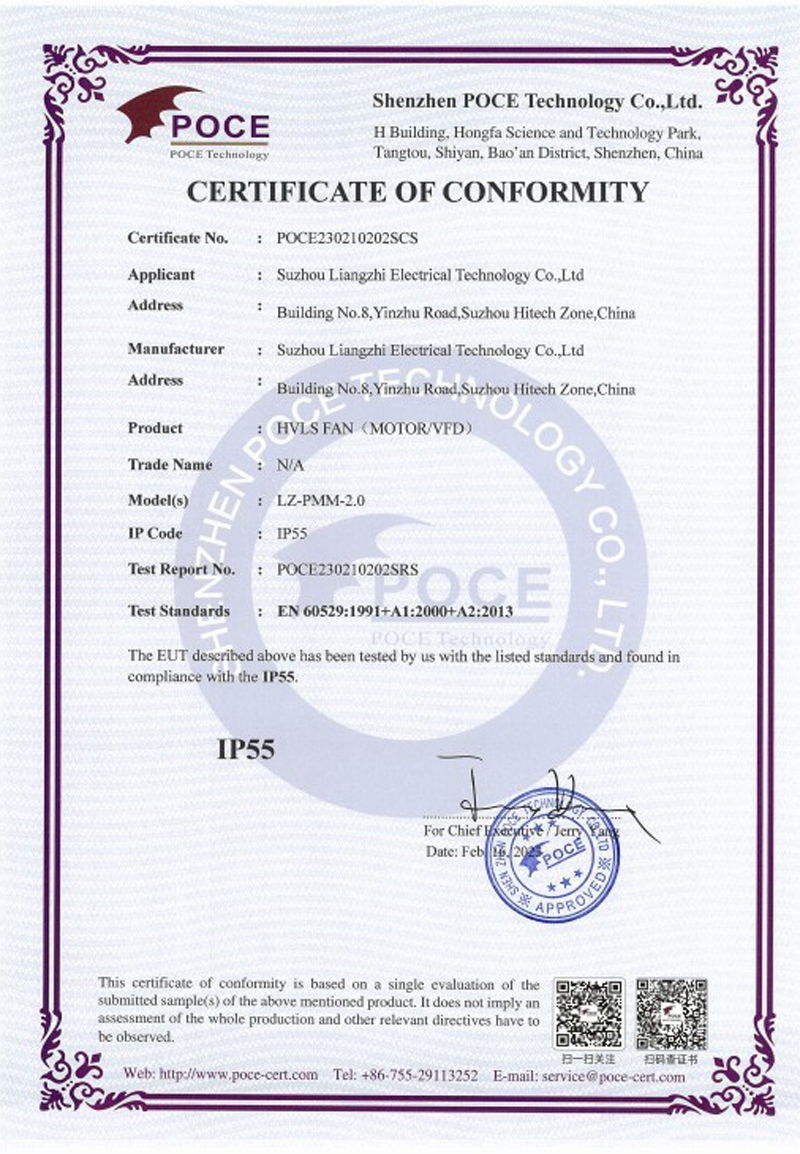
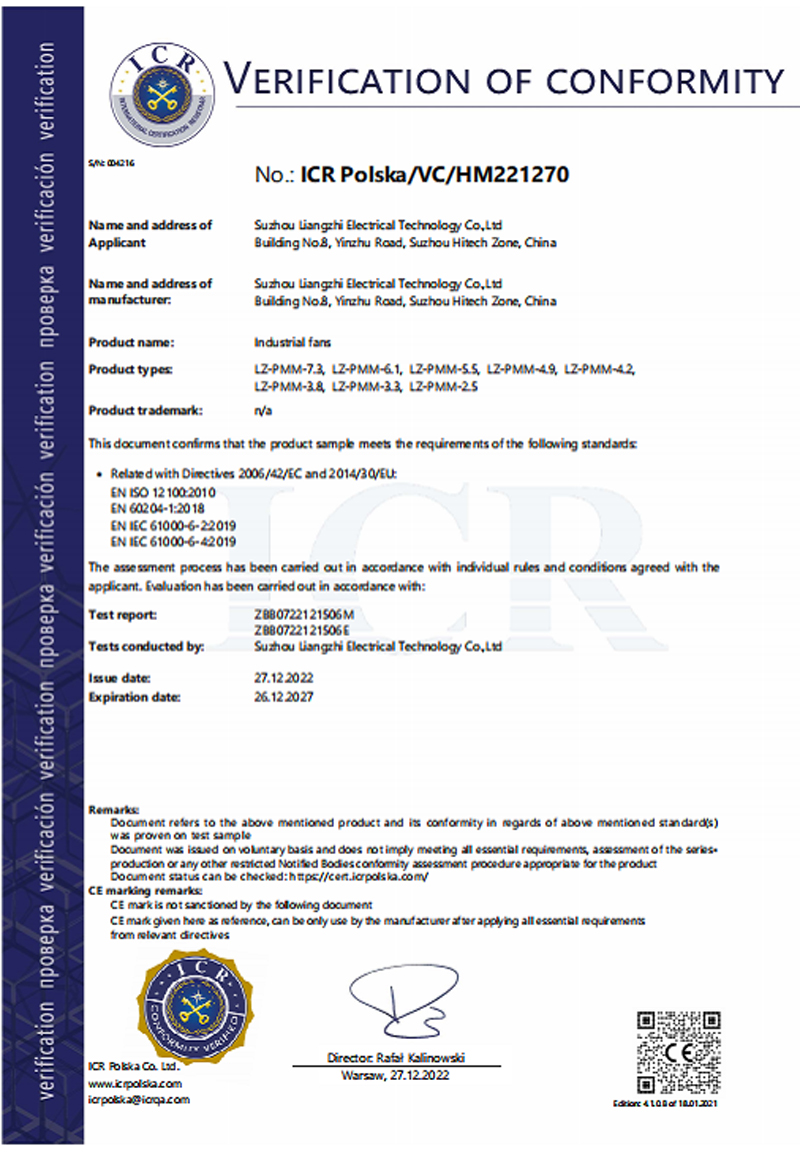
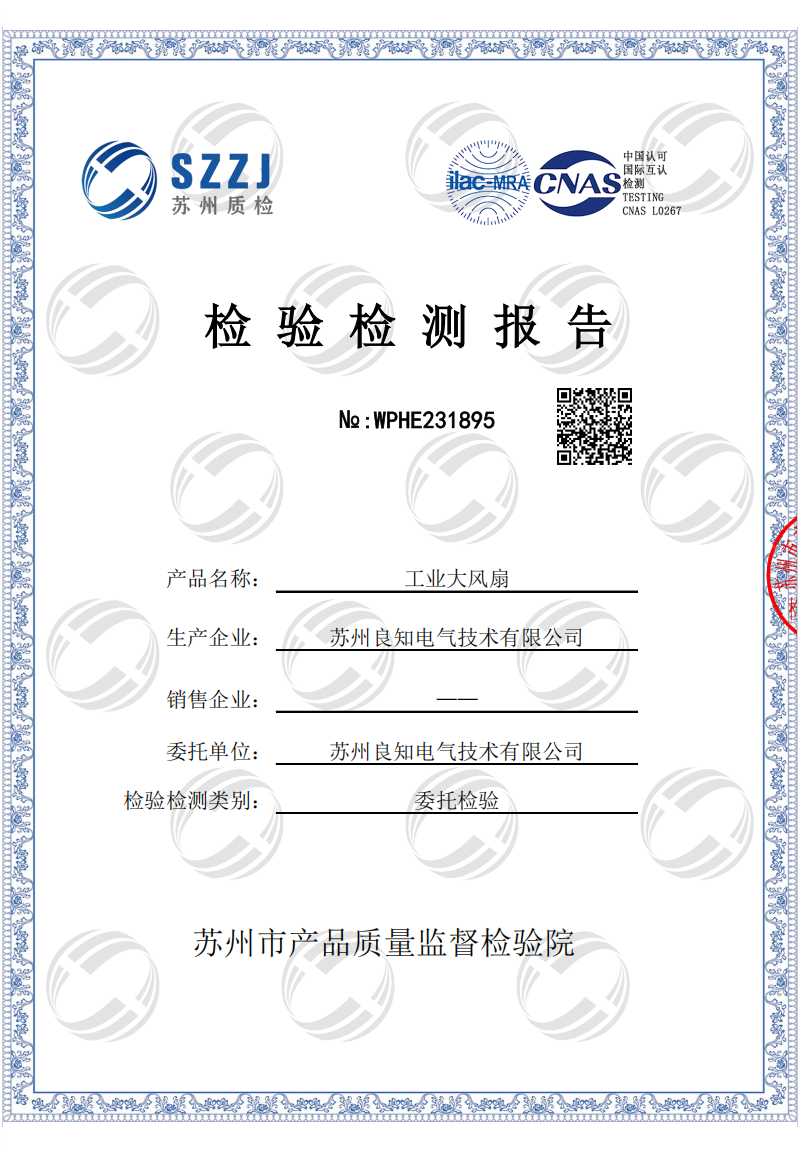
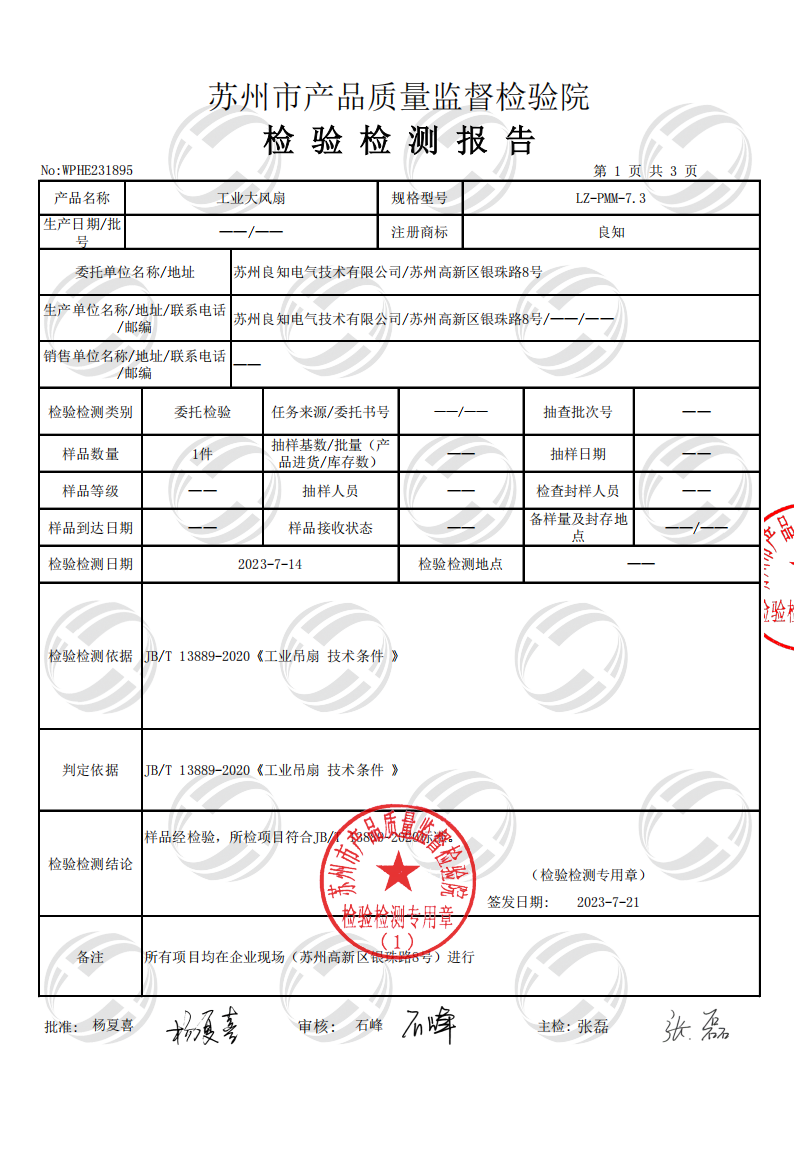
Suzhou Liangzhi Electrical Technology Co., Ltd. is a high-tech enterprise dedicated to the R&D and manufacturing of permanent magnet synchronous motors and high-speed motors for HVLS fans and electric vehicle since 2018. We have technical research and development capabilities in motor structure, fluid, thermal, electromagnetic and other technologies to produce advanced motors for our HVLS fans. Our motor quality is at the forefront of the industry and we have certifications such as IS09001, CE, EMC and so on.
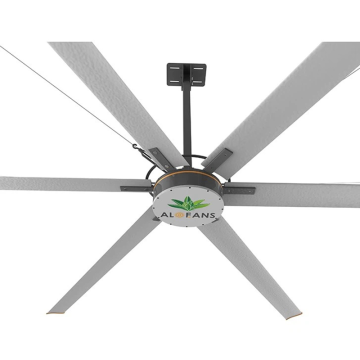
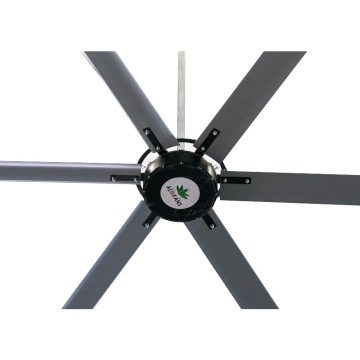
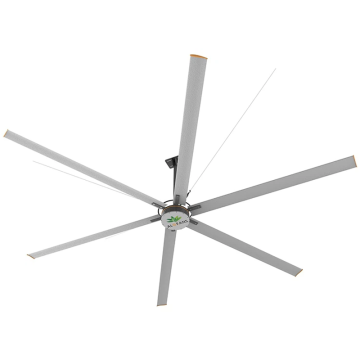
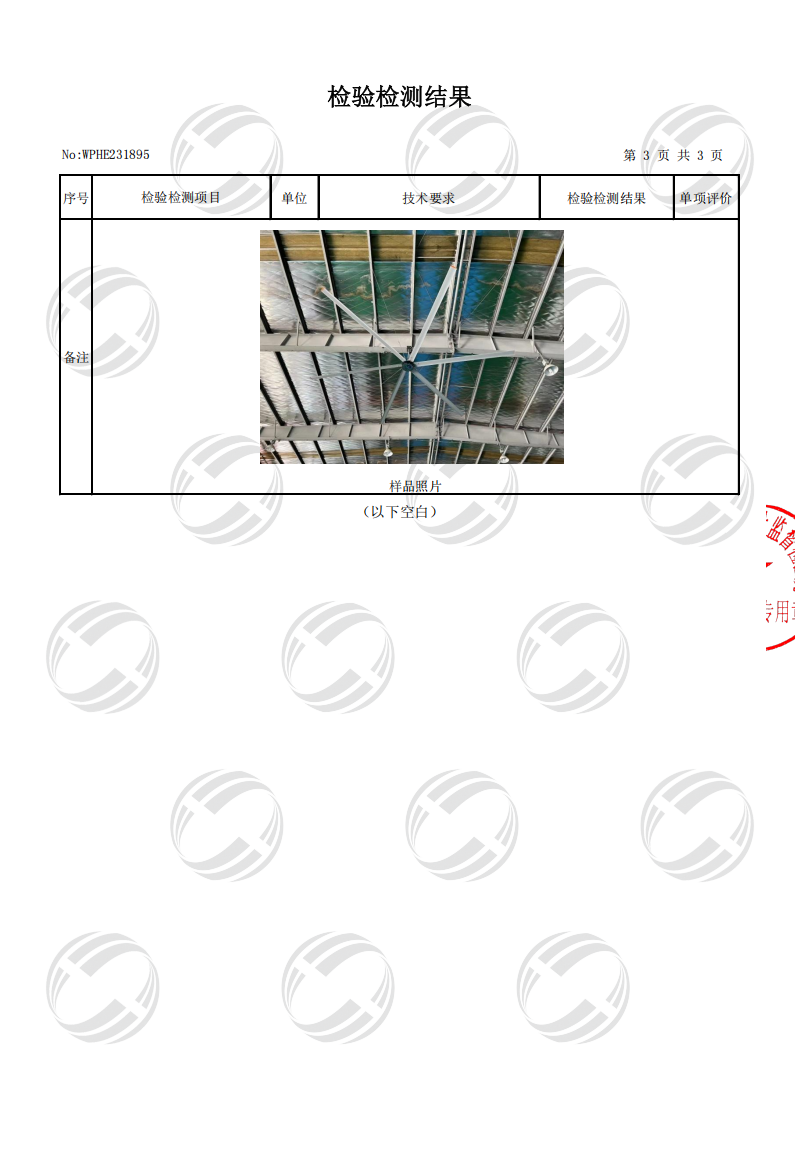
HVLS fans are the most ideal and energy-saving ventilation fans for application in high and open space. With the support of high-performance motors, our HVLS fans are far ahead.
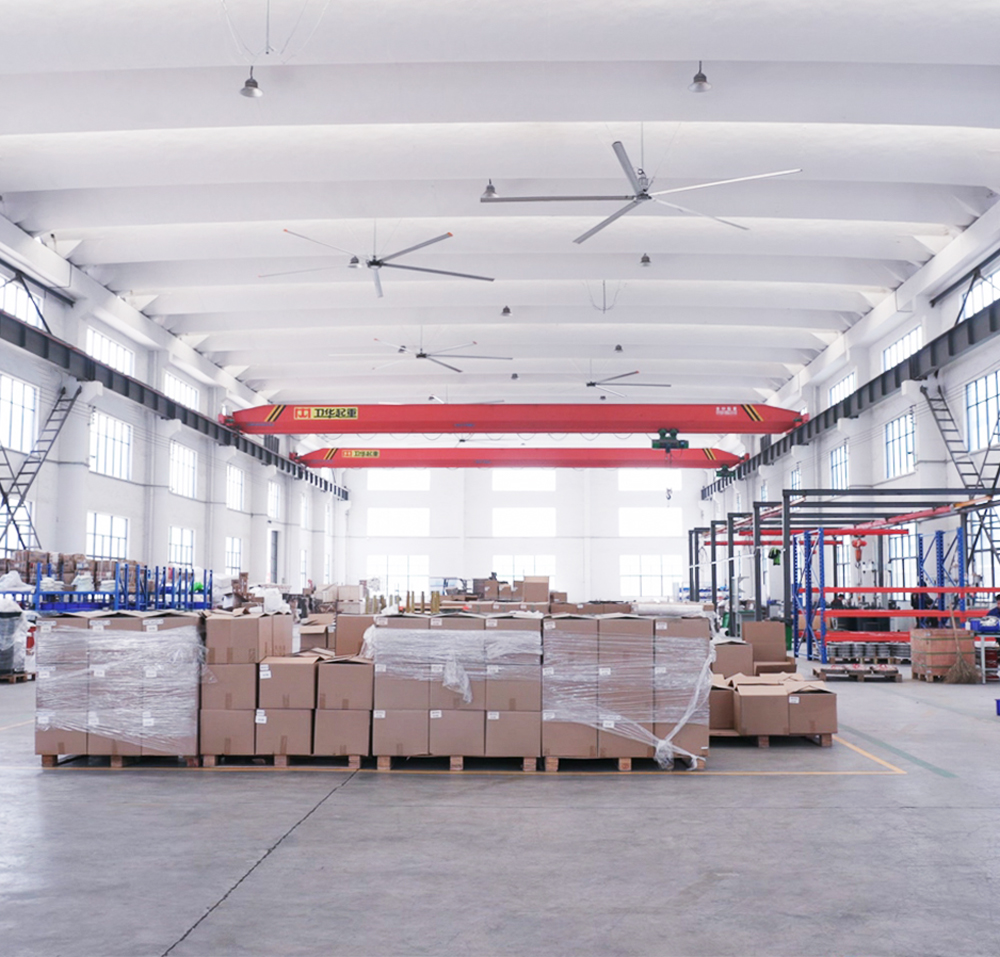
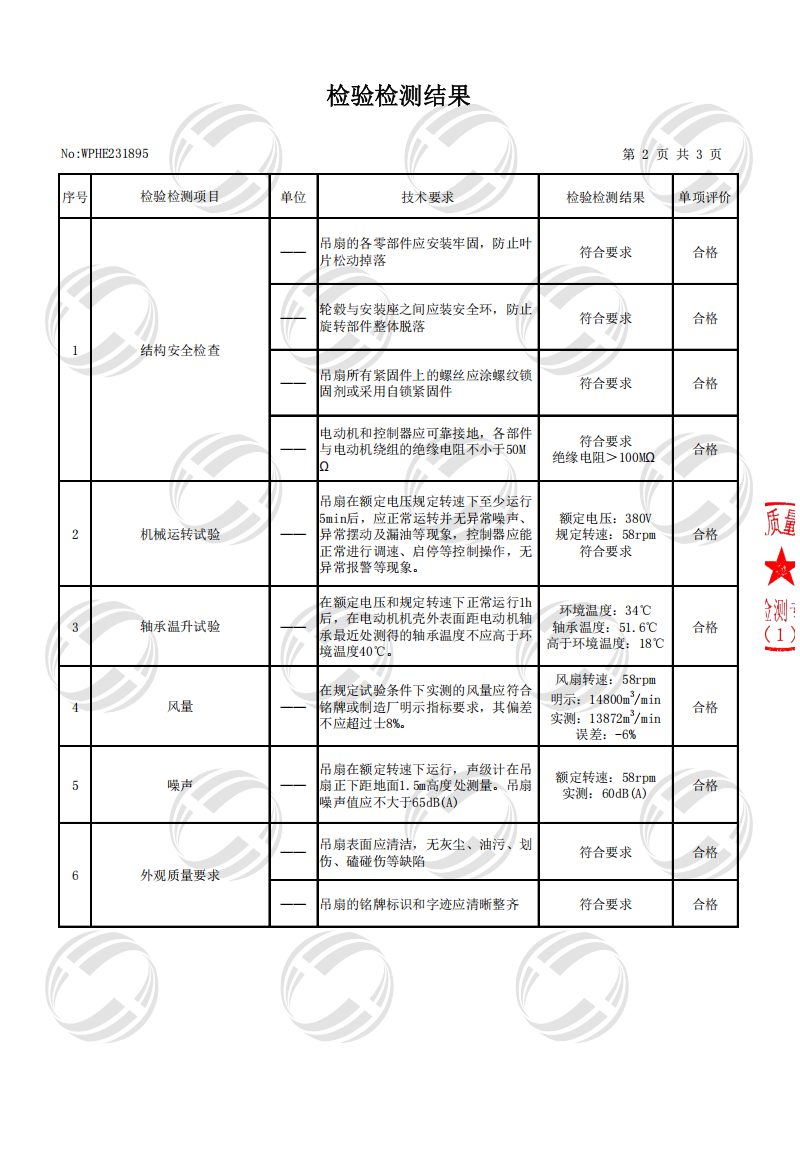
We master the core technology of PMSM motors, excellent fan blade fluid design, fan safety measures and control solutions, which provides high-efficient air ventilation and cooling experience for large space like warehouse, factory, logistic center and animal stable.
Aloe Fans is our company's own brand, and our goal is to create healthy and natural breeze for every life. Aloe Fans has passed international quality certifications such as CE, EMC, LVD... Aloe fans, safe. reliable, expert in natural breeze.
To truly understand the value of the Super High-speed PM Motor, we must dissect its applications within the specific context of building material and lumber storage. These environments are notoriously challenging, characterized by heavy airborne particulates, fluctuating temperatures, and the need for 24/7 continuous operation. The integration of high-speed PMSM technology addresses these challenges head-on through several key application scenarios.
Lumber storage requires precise humidity management. If the air is too dry, timber can crack and splinter; if too humid, it becomes a breeding ground for mold and rot. Super high-speed PM motors are utilized in advanced dehumidification and ventilation blowers. Their ability to rapidly adjust RPMs via Variable Frequency Drives (VFDs) allows the system to respond instantaneously to environmental sensors. When a spike in humidity is detected, the PM motor can instantly ramp up to super high speeds, exhausting moisture-laden air and replacing it with dry air, thus preserving the structural integrity and market value of the stored lumber.
In building material storage—especially where cement, sand, or cut lumber is handled—dust generation is a massive hazard. It poses respiratory risks to workers and creates a highly combustible environment (in the case of sawdust). Super high-speed PM motors are the driving force behind industrial dust collectors and cyclonic separators. Their high operational speeds create immense suction power, efficiently capturing fine particulates before they settle. The totally enclosed fan-cooled (TEFC) or totally enclosed non-ventilated (TENV) designs of these PM motors prevent dust ingress, ensuring longevity even in the most abrasive environments.
Moving tons of drywall, steel beams, or heavy timber requires robust material handling systems. Super high-speed PM motors are increasingly integrated into the automated conveyor belts and gantry cranes used in these storage facilities. Their exceptional torque density means that smaller, lighter motors can move heavier loads. This reduces the structural stress on the conveyor framework and allows for more precise positioning of materials. The dynamic braking capabilities of PMSMs also ensure that heavy loads can be stopped quickly and safely, preventing accidents and material damage.
While HVLS fans are traditionally "low speed," the core technology driving them is evolving. The integration of high-speed PM motors coupled with advanced reduction mechanics or direct-drive topologies allows for unparalleled air movement efficiency. In massive building material warehouses, these systems destratify the air, pushing warm air down from the ceiling during winter and creating a cooling breeze during summer. The PM motor's efficiency ensures that these massive fans can run continuously with minimal electricity consumption, creating a uniform climate throughout the facility.


The trajectory of Super High-speed PM Motor technology is deeply intertwined with the rise of Industry 4.0 and smart warehousing. As building material and lumber storage facilities become more automated, the demand for intelligent, communicative hardware is skyrocketing.
One of the most profound development trends is the integration of Artificial Intelligence (AI) and the Internet of Things (IoT) directly into the motor's control systems. Super high-speed PM motors are now being equipped with embedded sensors that monitor vibration, temperature, and magnetic flux in real-time. This data is fed into AI algorithms that can predict mechanical failures weeks before they occur. In a lumber storage facility, an unexpected motor failure in a ventilation system could lead to a rapid spike in humidity, ruining thousands of dollars worth of inventory. Predictive maintenance eliminates this risk, ensuring 99.9% uptime. Furthermore, IoT integration allows these motors to communicate with central building management systems, optimizing their speeds based on real-time weather data, facility occupancy, and energy grid demands.
Advancements in electromagnetic design and the use of ultra-high-grade neodymium magnets are leading to a significant trend in miniaturization. Engineers are achieving higher power outputs from increasingly smaller motor frames. For building material storage, this means that heavy-duty exhaust fans, conveyor drives, and compressors can be installed in tighter spaces, maximizing the usable cubic footage of the warehouse for actual inventory. The reduced weight of these motors also lowers the structural requirements for overhead installations, cutting down on initial construction costs.
Investing in Super High-speed PM Motors is not merely a technical upgrade; it is a strategic financial decision. The Total Cost of Ownership (TCO) for a PMSM over a 10-year lifespan is drastically lower than that of a conventional AC motor. The primary driver of this cost reduction is energy efficiency. Because PM motors eliminate rotor copper losses and operate efficiently across a wide range of speeds and loads, facilities can see energy bill reductions of 20% to 40%.
Additionally, the enhanced thermal management and robust construction of these motors result in exceptional longevity. The lack of brushes and the use of premium bearings mean that routine maintenance is kept to an absolute minimum. In the abrasive, dust-filled environment of lumber and cement storage, this durability translates to fewer replacement parts, less labor spent on maintenance, and zero operational downtime. Ultimately, the Super High-speed PM Motor stands as a cornerstone technology for the modern, sustainable, and highly profitable industrial storage facility.
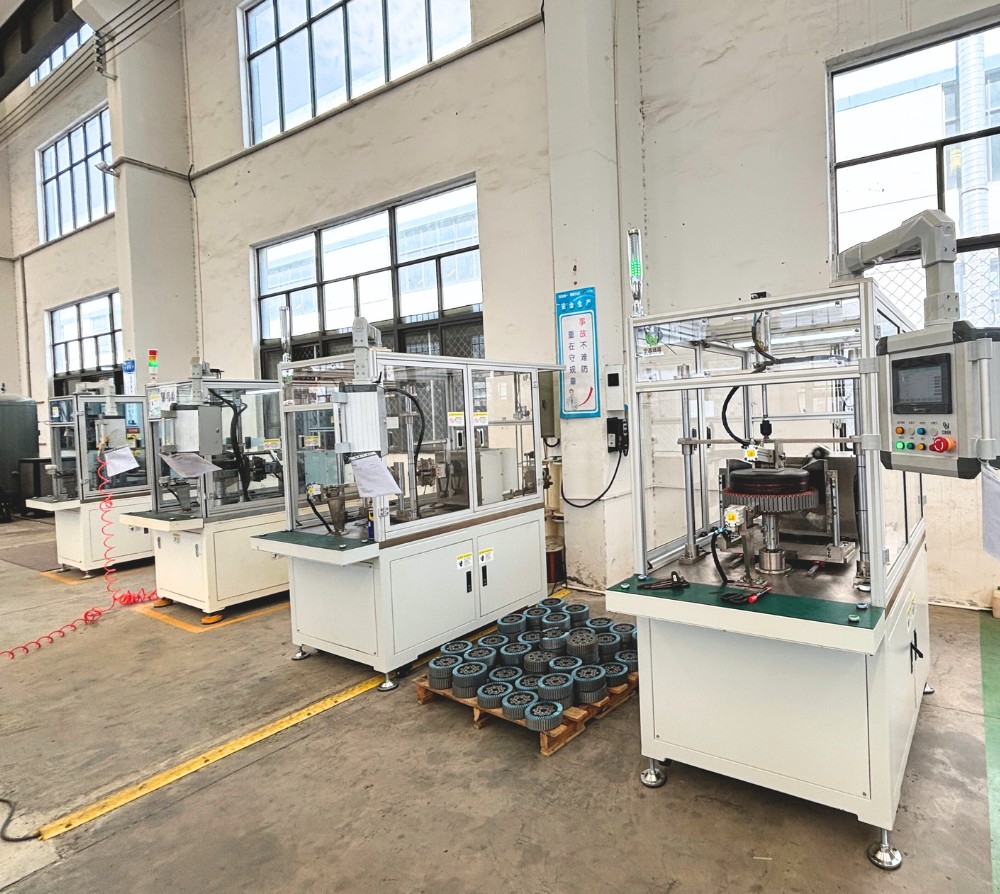
Take a closer look at our state-of-the-art production facilities where innovation meets precision engineering.
For inquiries about our products or price list, please leave your email to us and we will be in touch within 24 hours. Our technical team is ready to provide customized PM motor solutions for your building material and lumber storage needs.